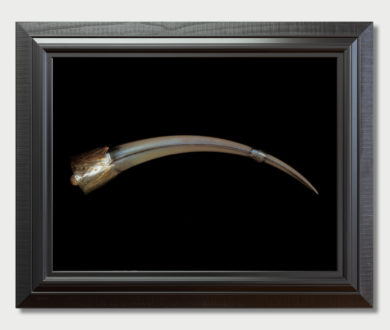



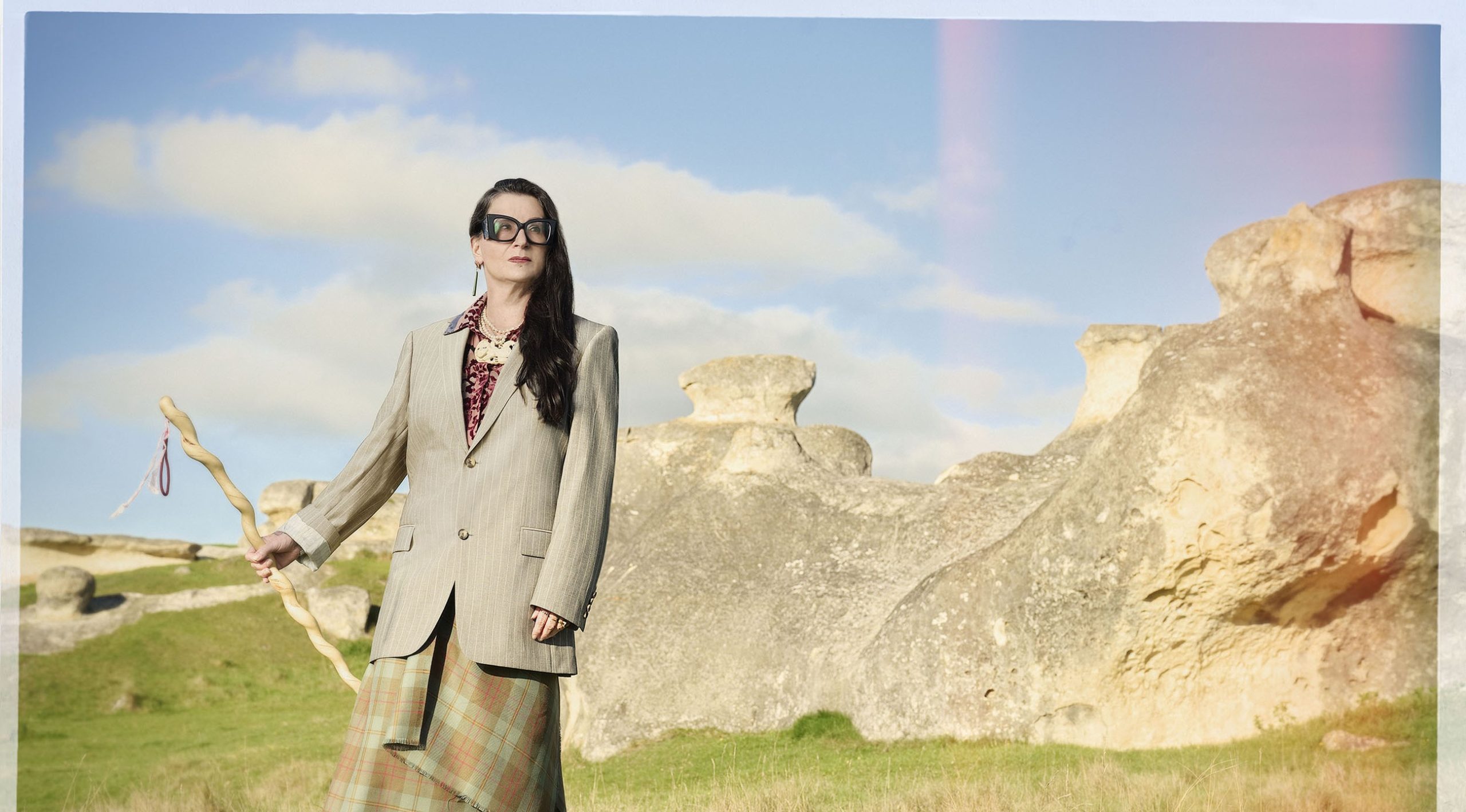
There is a spectral quality to Fiona Pardington’s photographs of birds. The specimens she trains her lens on are real — held in natural history collections across Aotearoa and Australia — but they are no longer living, and some no longer exist at all. For Pardington (Kāi Tahu, Kāti Māmoe, Ngāti Kahungunu, Clan Cameron of Erracht) ONZM, these taxidermied manu offer a meditation on presence and absence, and the resulting series, Taharaki Skyside, will represent Aotearoa New Zealand at the 61st Venice Biennale.
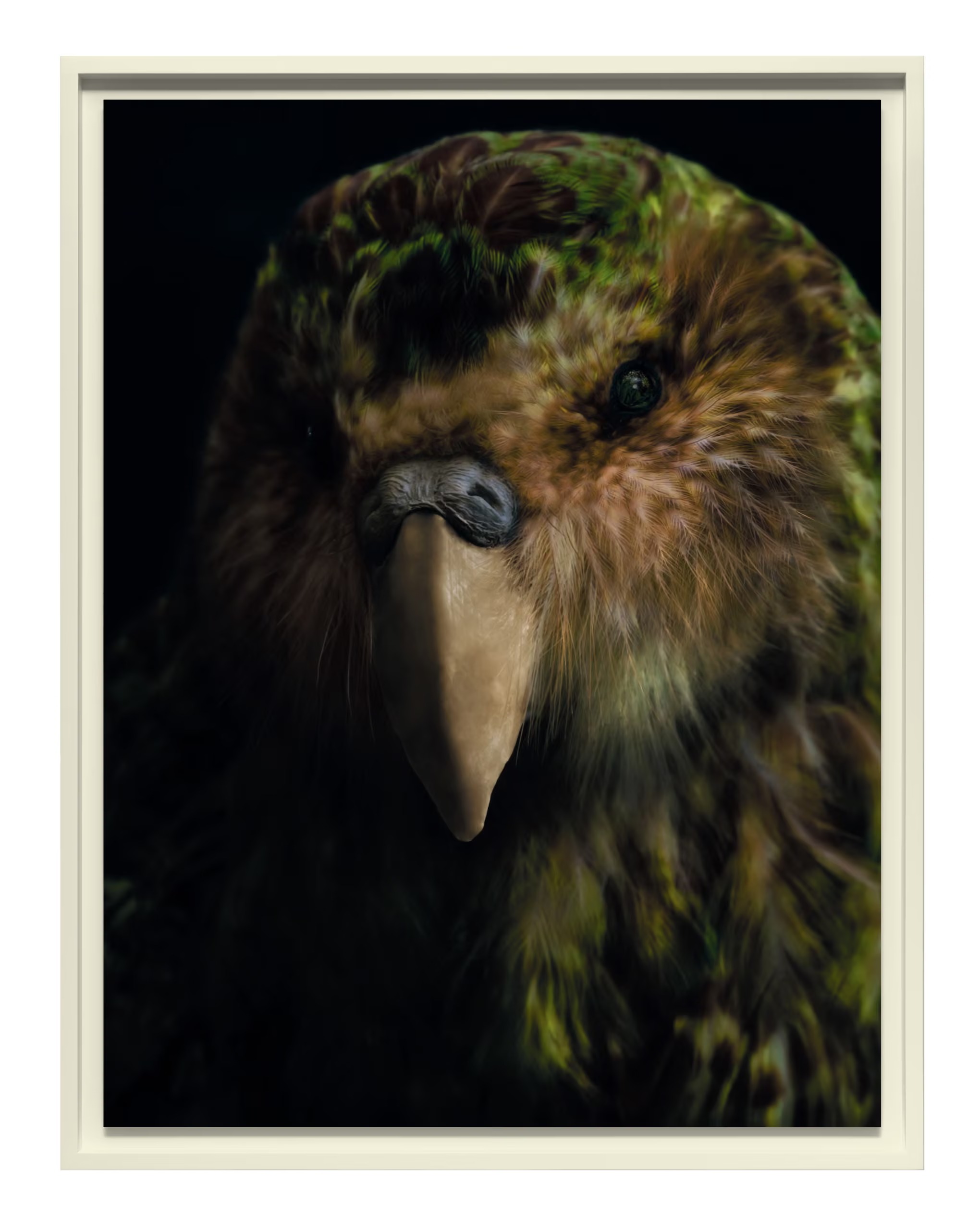
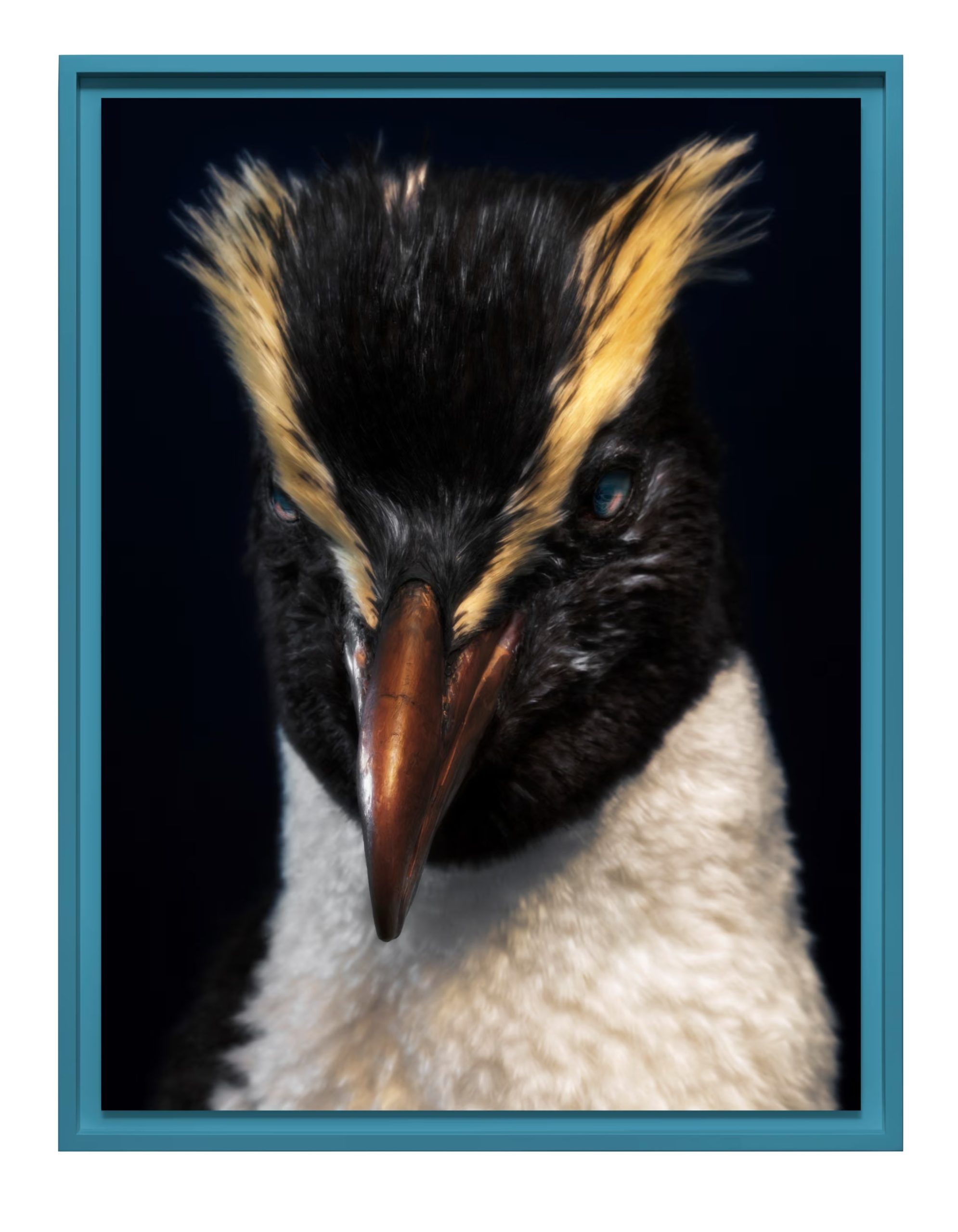
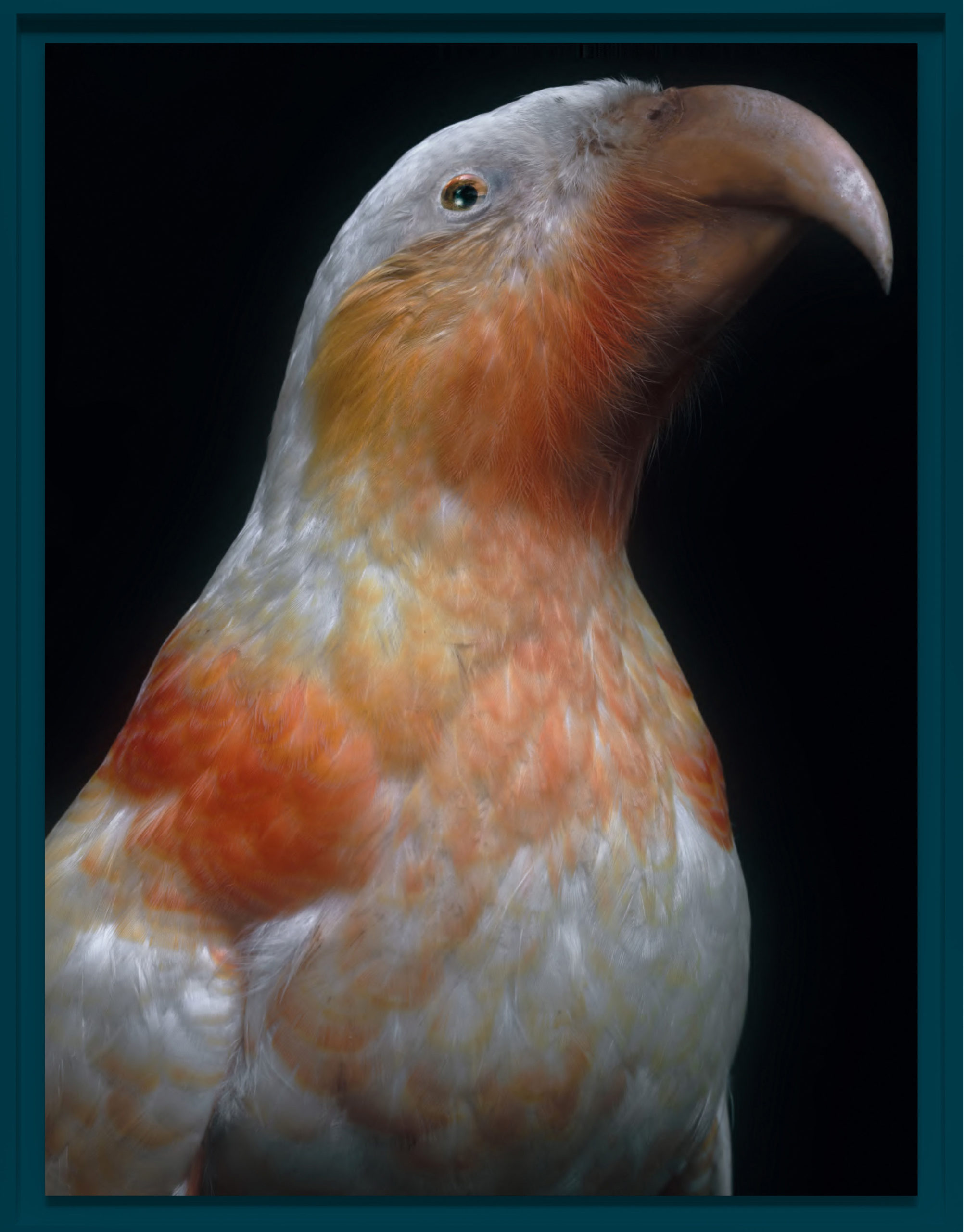
The large-scale portraits introduce viewers to the kākā kura, a vivid colour morph of the North Island kākā; the moho, or South Island takahē, presumed lost before its rediscovery in 1948; and the delicate kōmiromiro (tomtit), among others. Each image works to restore something of its subject’s mauri — an act closer to reclamation than portraiture — while quietly interrogating the colonial legacies of museum collecting and the question of who decides what is preserved, and how.
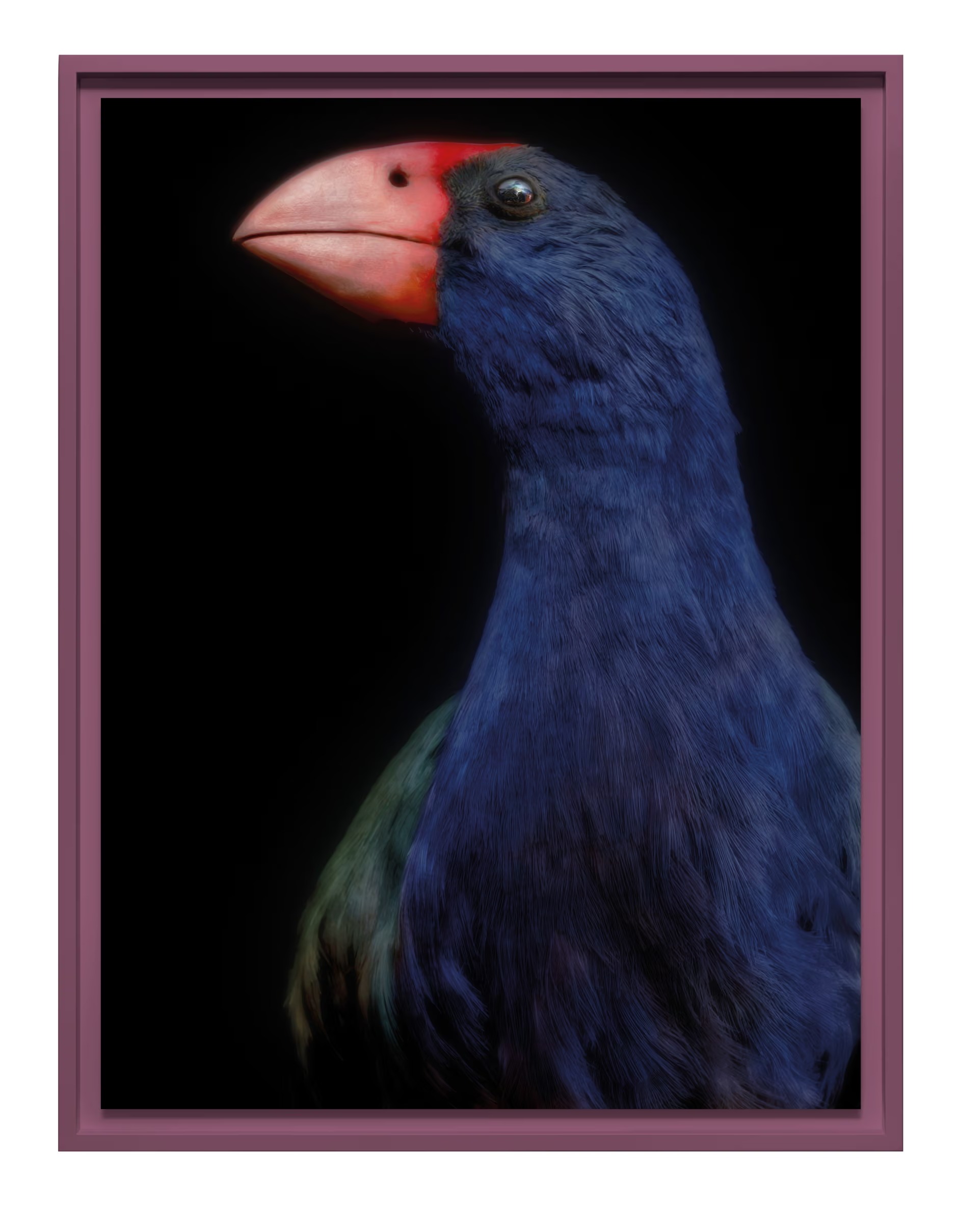
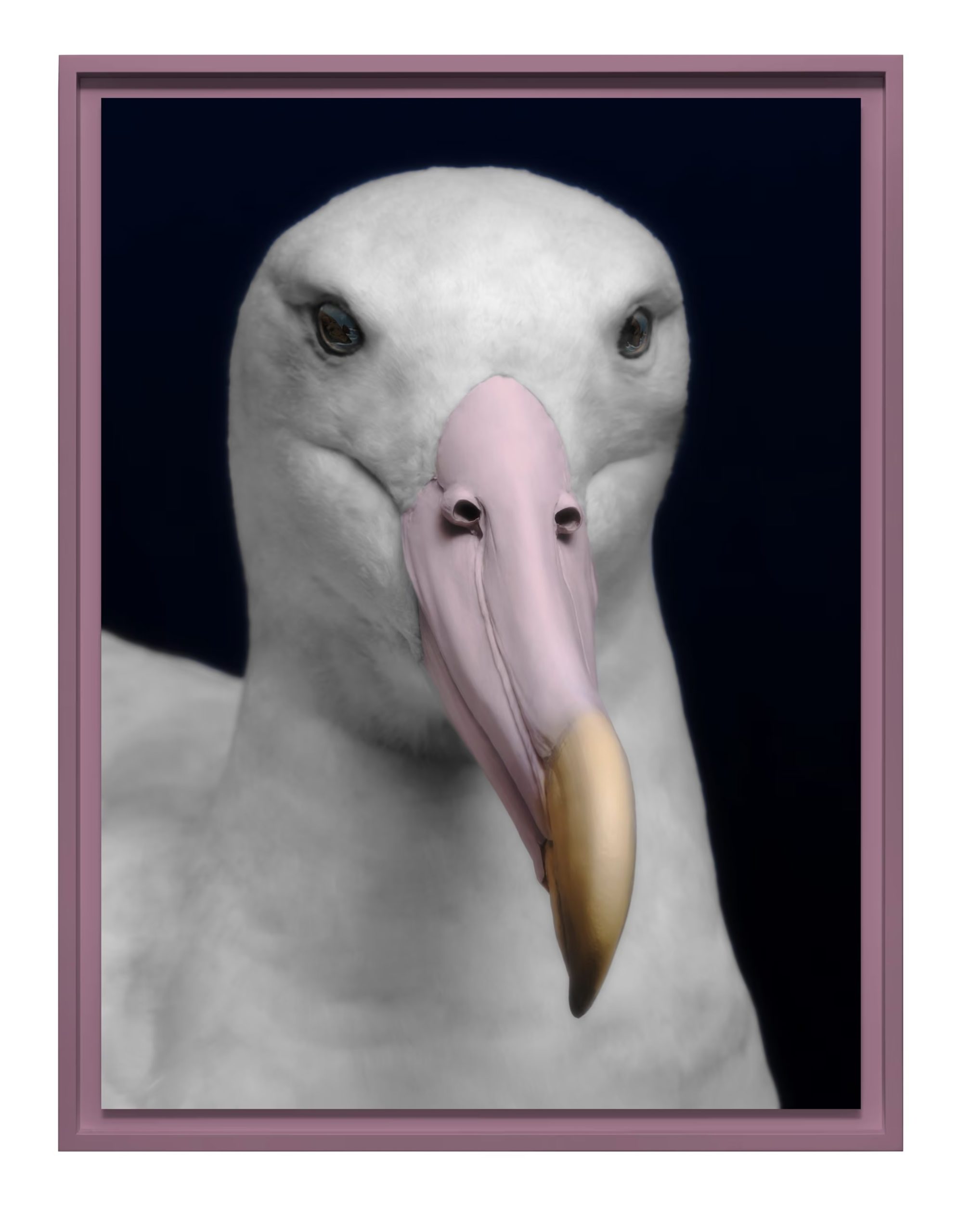
The series also draws on Dante, whose Divine Comedy situates Purgatory on an island-mountain in the Southern Hemisphere; that idea of crossing between realms finds an echo in creatures suspended behind glass. “Birds can symbolise familial love, romantic attachment, and ecological warnings,” Pardington says. “They can be intimations of mortality, and in my work, they can also represent individual people in my life.” Taharaki Skyside previews on 6th May, with the Venice Biennale open to the public from 9th May to 22nd November, 2026, before the exhibition travels home to Christchurch Art Gallery Te Puna o Waiwhetū from mid-2027.