


There is something slightly confronting about watching an era you actually lived through being reissued as mythology. When a film or television series suddenly declares the late nineties and early 2000s the pinnacle of enduring style, I feel both nostalgic and faintly amused. At the time, it was not iconic. It was simply our uniform.
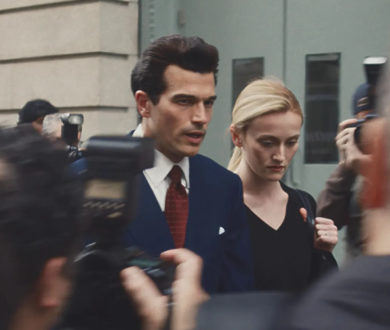
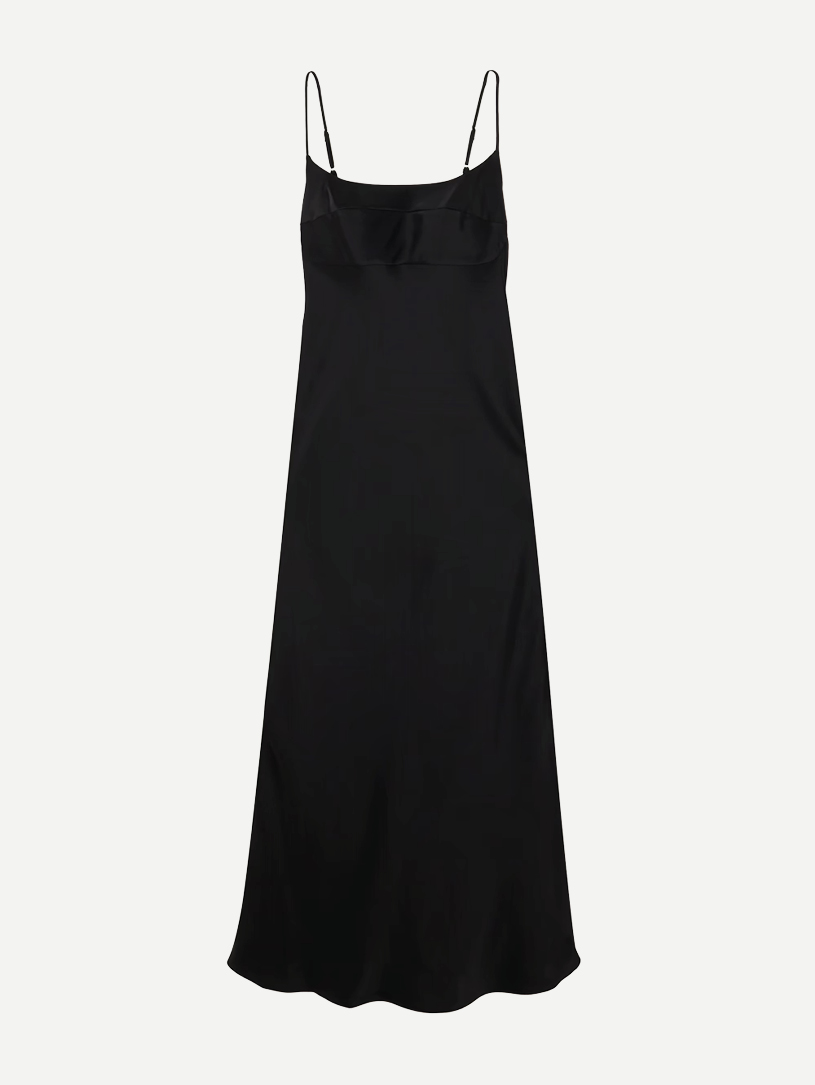
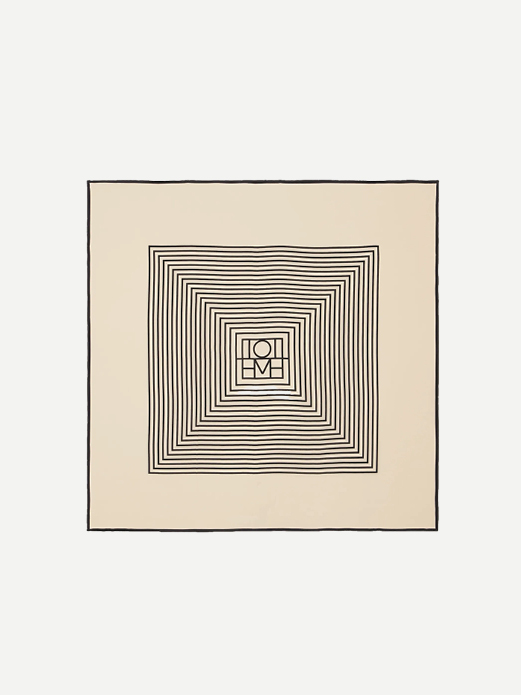
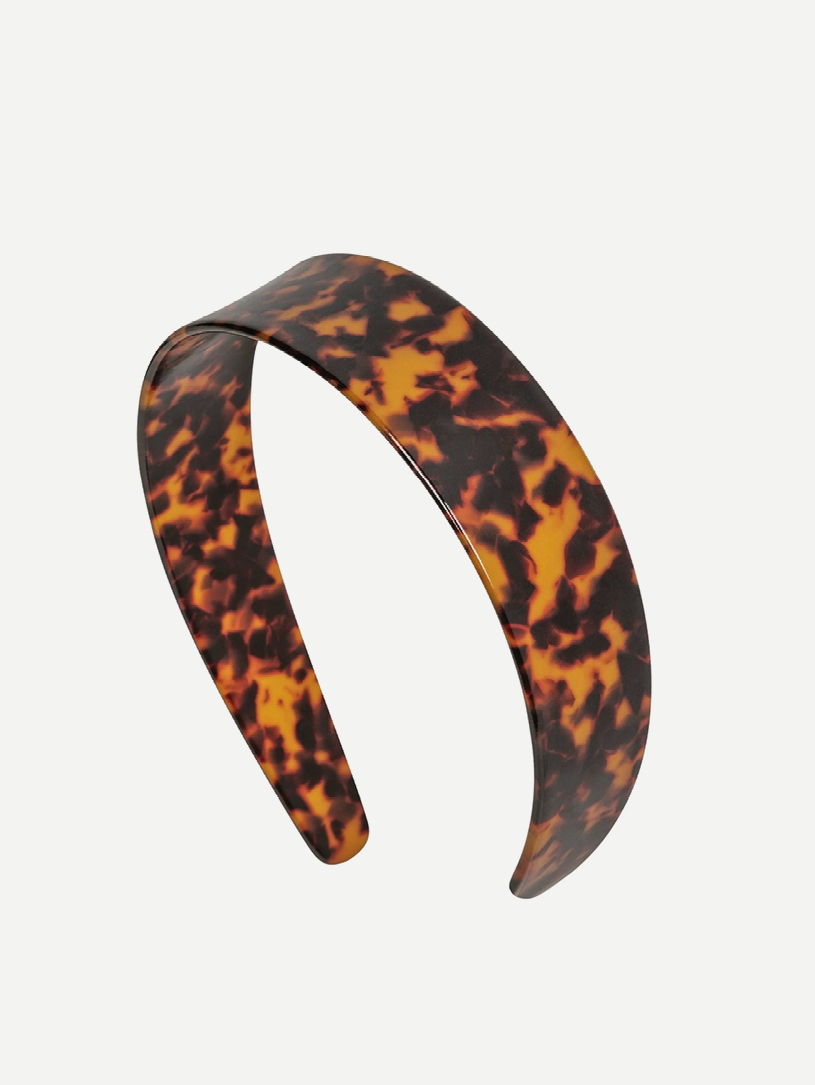
With the release of Ryan Murphy’s new series Love Story, revisiting the romance and tragedy of John F. Kennedy Jr. and Carolyn Bessette-Kennedy, a new generation is discovering what many of us witnessed in real time. Grainy paparazzi images are now treated as sacred fashion artefacts. Silk slips are selling out again. Headbands are back. The mood boards are relentless.
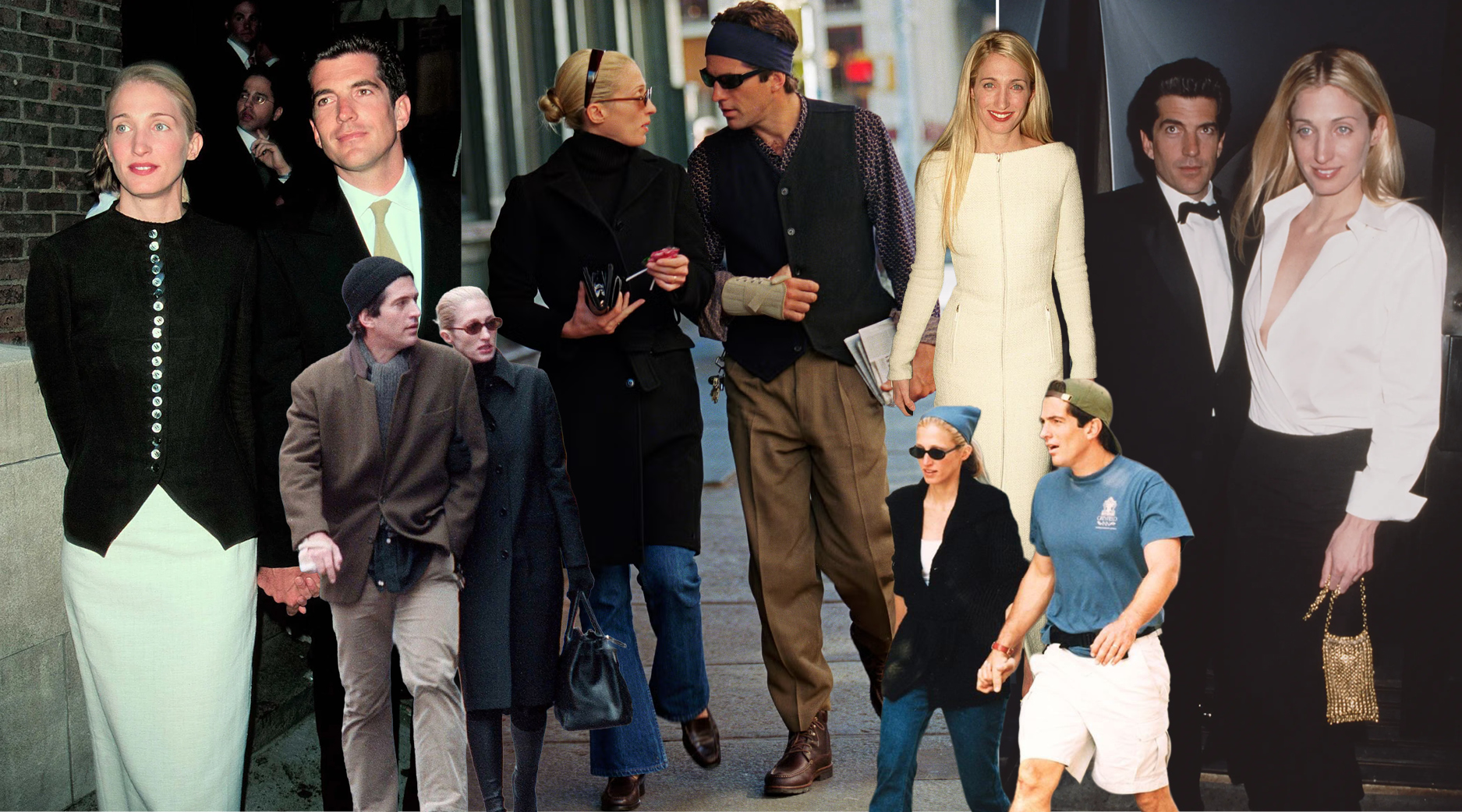
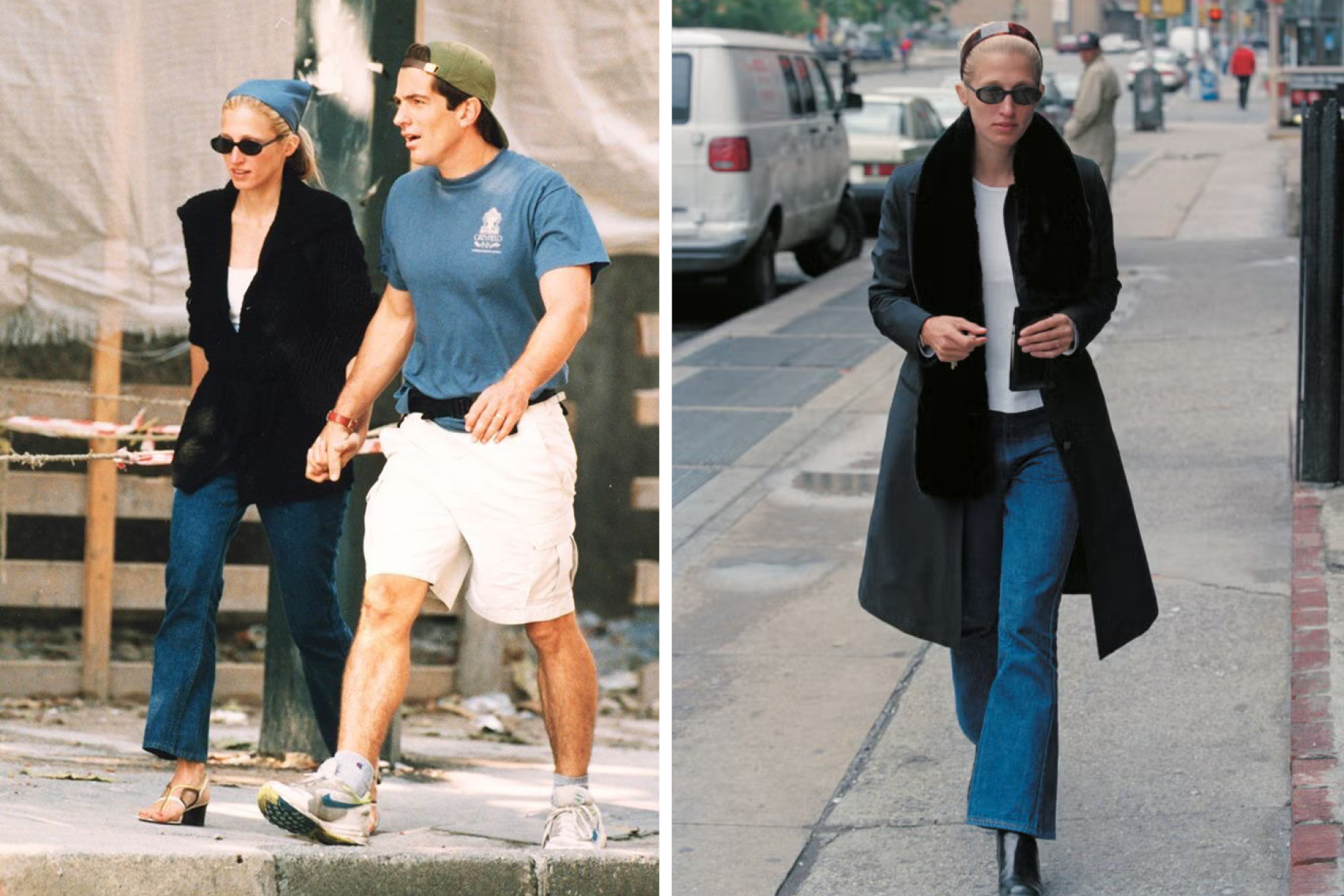
Carolyn remains perhaps the most mysterious modern style muse. There exists less than a minute of her voice on tape, yet she has become almost deified within fashion circles. Thrust into the spotlight when she married JFK Jr, despite her clear preference for privacy, she was photographed endlessly until their tragic deaths in 1999. Those images, walking through Tribeca in loafers, stepping out in a bias-cut slip, hair pulled back, now circulate as shorthand for cool.




As a young woman, I was living in New York during that exact period. I moved within the fashion and magazine world that orbited downtown Manhattan, and they were simply part of the city’s rhythm. Carolyn’s role in PR at Calvin Klein placed her closer to my professional periphery than John, though he was a magazine publisher. But she was in the industry. Which somehow made her influence more potent.
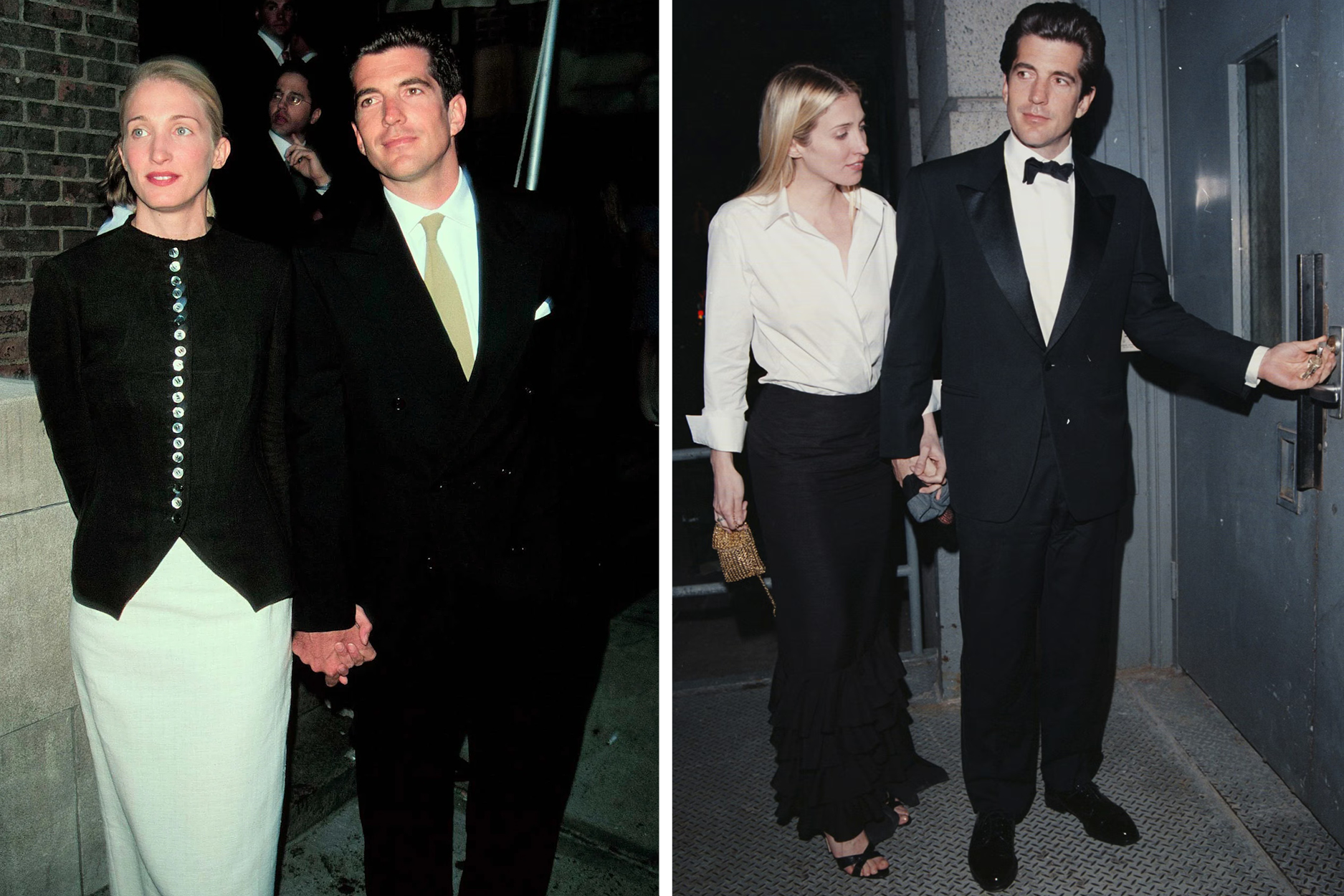
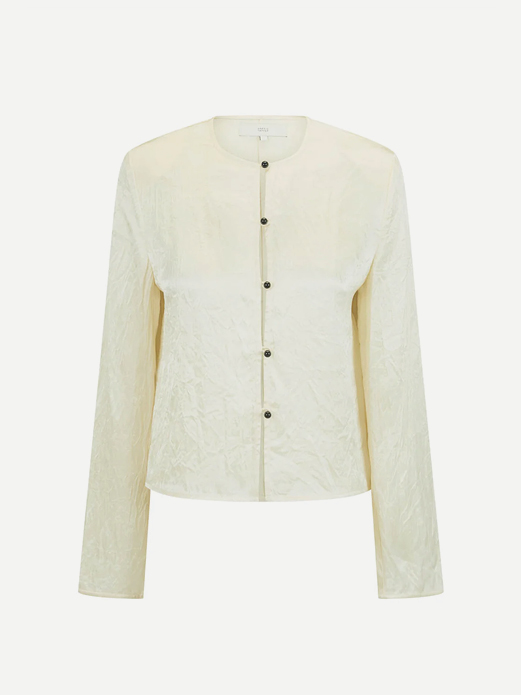
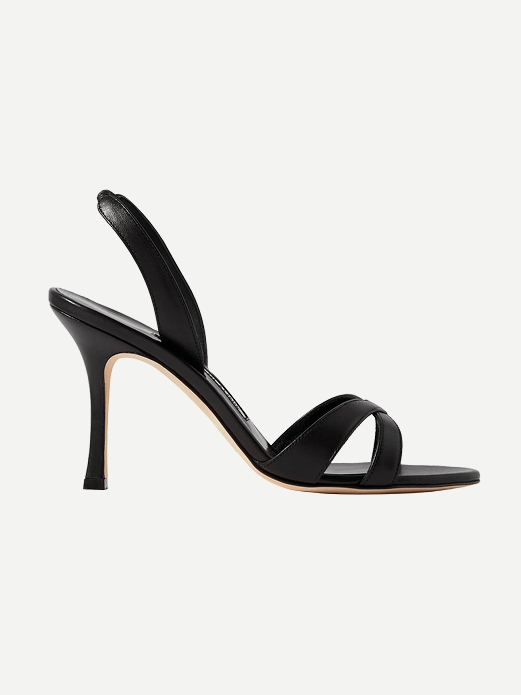
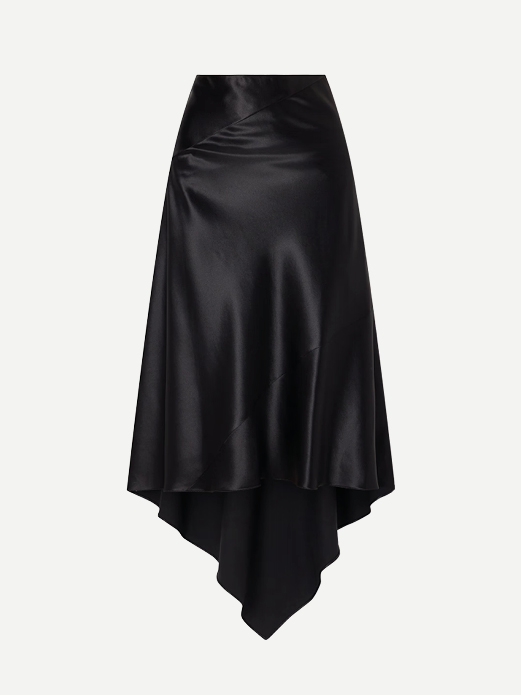
There was awe around her, yes. But also sympathy. She had not auditioned for global fascination. She had fallen in love with an American icon and found herself under an unforgiving lens.
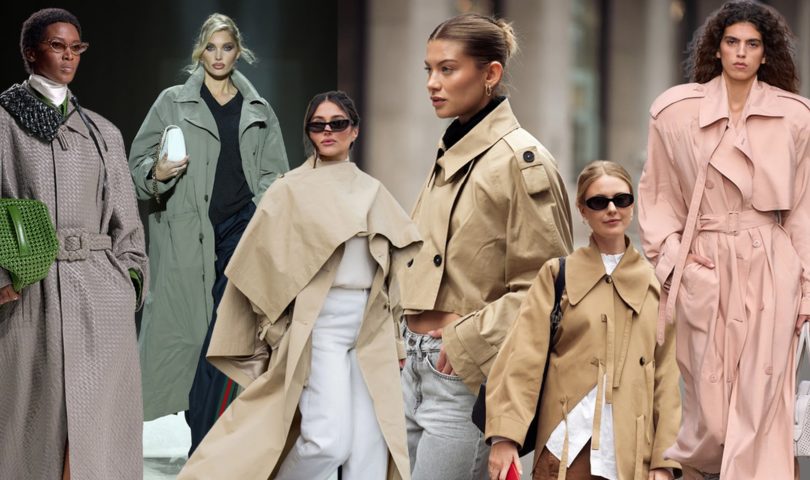
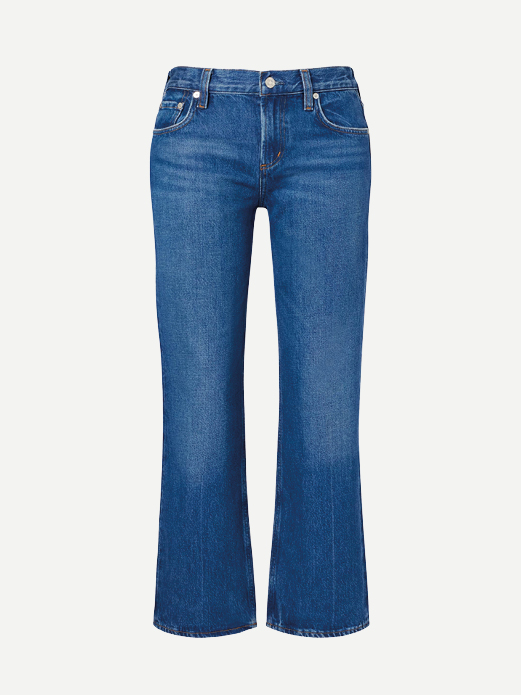
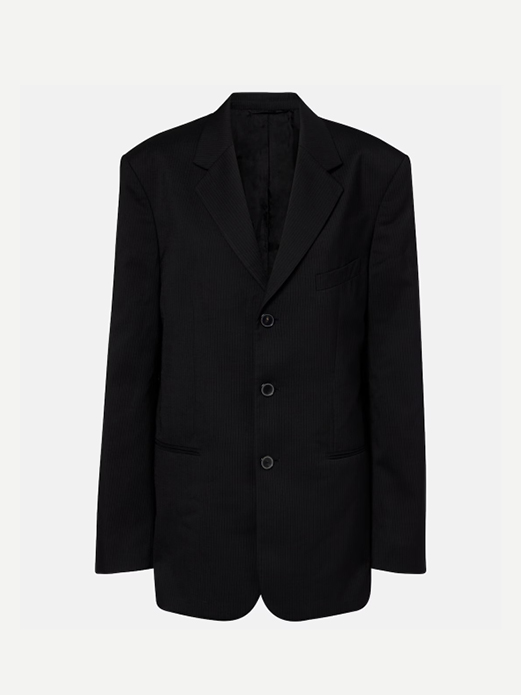
The truth is, her wardrobe was not dramatically different from ours. Straight-leg jeans. A crisp knit. Chanel ballet flats. Prada loafers. Silk slips cut on the bias. Clean coats. Neutral palettes. It was not revolutionary in a theatrical sense. But it marked a shift. A progression from early nineties heroin chic into something more refined and grounded. Less fragility, more polish. Minimalism with confidence.
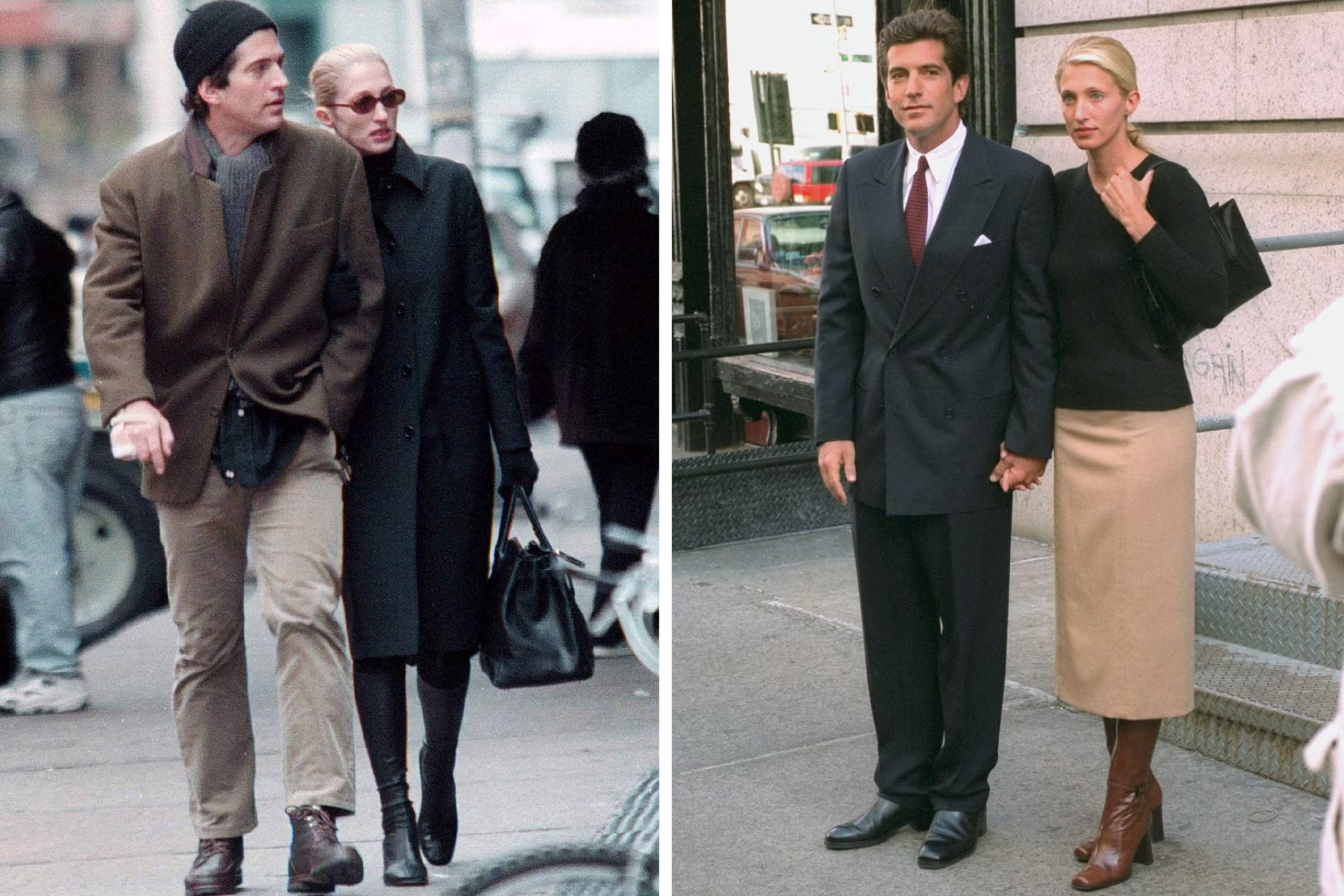
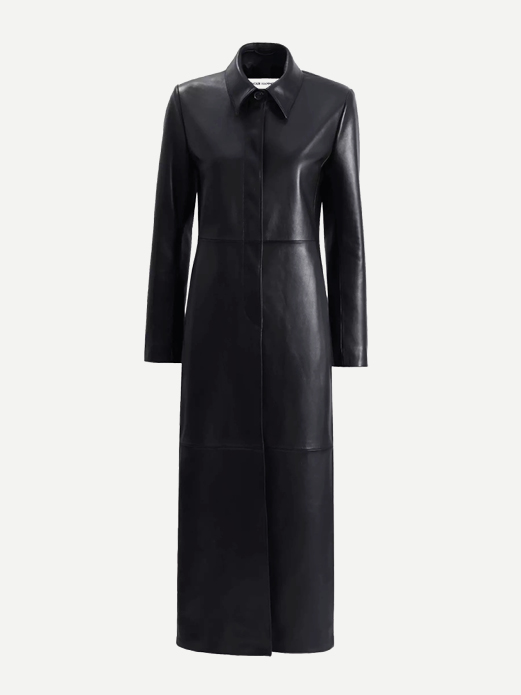
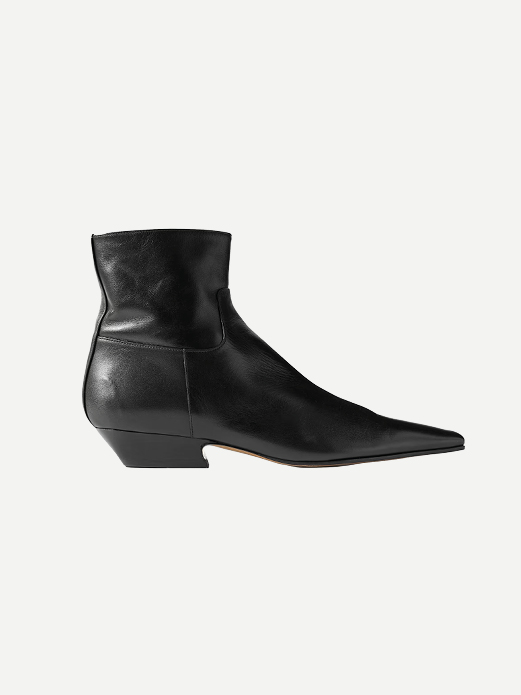
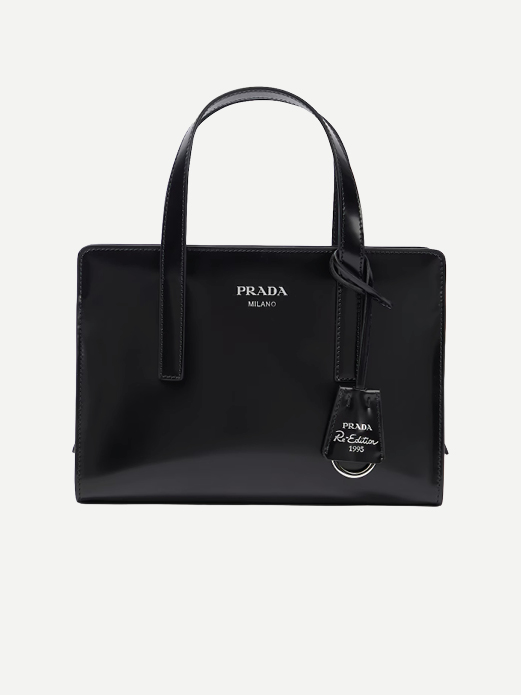
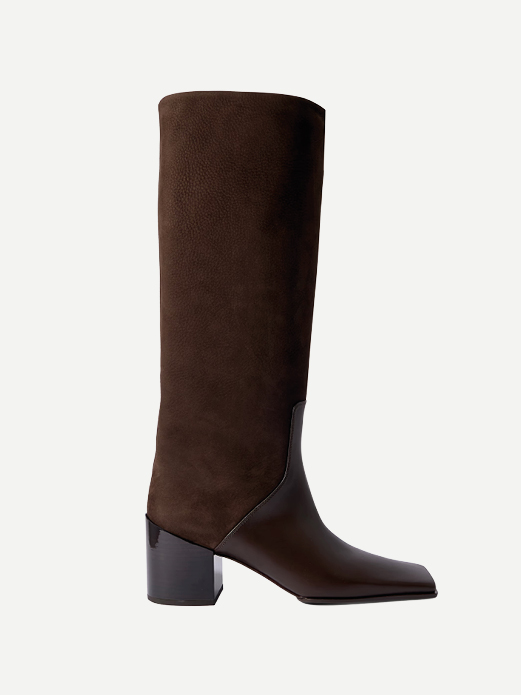
Today, commentators call it quiet luxury. Some even suggest she invented it. And while names like Audrey Hepburn or Jacqueline Kennedy Onassis may have longer historical arcs, Carolyn’s influence feels startlingly modern. Her tailoring, her proportions, her refusal to overwork a look, it all reads as relevant in 2026. Perhaps that is why it has endured.
I still own pieces from that era. They still work. Because when style is anchored in quality, proportion and restraint, it does not expire.
I remember with painful clarity the days after their plane disappeared. The waiting. The collective hope that they had simply diverted to escape the weather. The slow, devastating acceptance when they had not.
The tragedy cemented their place in cultural memory. But what truly lingers is the restraint. The fact that they did not try too hard. They did not need to.
Their looks were unfussy, consistent, and assured. And that, more than any trend cycle, is what defines enduring class. For those of us who lived it, it was never a costume. It was simply New York.