


Overflowing with advantages, there’s no better time to dive in, make a splash and boost your breaststroke to the next level. Having long been touted as the best exercise ever, we won’t bore you by listing the bountiful benefits of swimming. Suffice to say, the low impact total body workout capable of simultaneously building strength and cardio abilities without putting stress on your bones, joints and muscles is hard to beat. Yet despite its prowess in aiding one in everything from improving balance, sleep and bone health to maintaining healthy lungs — studies suggest that strong lungs process oxygen more proficiently which can also help ward off illness and cardiovascular diseases — few of us have gotten around to letting the aquatic exercise float to the top of our priority list. Perhaps it’s the need to carve out a chunk of time in our day, find a pool and get our hair wet that puts us off? And while that may seem like a small price to pay in exchange for the plentiful perks, to get into the swim of things and stay a while, we’ve seen fit to uncover some practical ways to circumvent the annoying obstacles before cluing you up on a sure-fire challenge to unleash your inner water baby — just in time for the seemingly unwavering resolve that comes with the new year (and potentially new you). Ready to take the plunge?
Get the Gear
Sometimes having the right equipment is enough to take the hassle out so you can focus on mastering technique. This, in turn, will bring consistent results and ultimately keep you coming back for more. To swim like the best of them, you might like to invest in:
Goggles: For a leak-free outcome, adjust the plastic piece wider or narrower over the bridge of the nose so that it feels snug but not tight. Next, ensure that the goggle frames sit on the bones that surround the eyes, not inside the eye socket as this decreases blood circulation and can cause the dreaded ‘raccoon eyes’ effect. Outdoor swimmers should consider polarised goggle lenses that offer good panoramic vision too. Try Jaked NRJ swimming goggles.
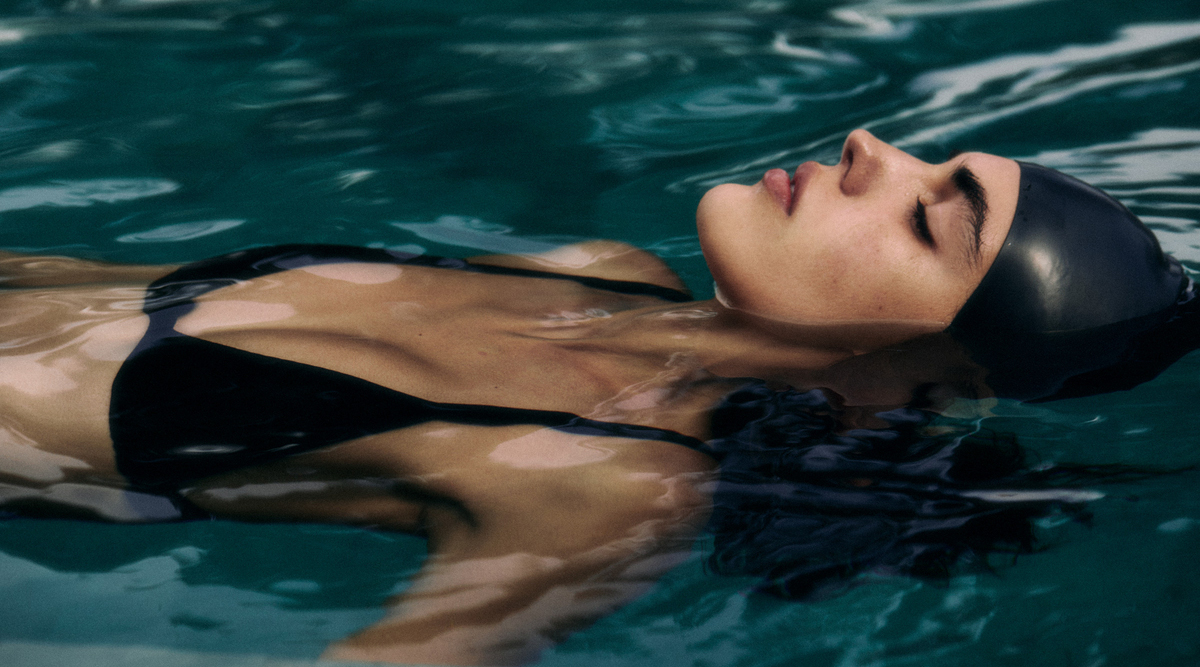
Swim caps: You should know that the purpose of a swim cap is to reduce drag, not keep hair dry. But if the latter is what you’re after, try wearing two to keep water from seeping in. Silicone caps are a favourite for competitive swimmers as a durable option that slips on and off without pulling hair. Neoprene renditions are more suited for open-water swimmers and triathletes than for those racing in heated pools.
Waterproof headphones: Because God only knows just how boredom-stricken you’ll be by lap 44. Having your tunes or favourite podcast with you can help. And while it’s a whole lot easier to find headphones to suit sweaty workouts than it is for swimming, the options are out there. You’ll need something that’s truly waterproof, that doesn’t fall out of place when you’re powering away freestyle and that doesn’t sound terrible when submerged underwater. Try the Shokz OpenSwim Pro Waterproof Headphones.
Hand paddles: These add resistance and build swim-specific strength, but only when used correctly — if you feel a pull on your shoulders, stop straight away; the delicate shoulder muscles are easily damaged by incorrect use. You can also lower the risk of problems by using a smaller paddle. When you get it right, you’ll feel the burn in your arms and lats. Start by adding a few 50m sprints at the end of your main set and build up to longer intervals as your strength improves. Try Aqualine Contoured Hand Swim Paddles.
Opt in for Expert Advice
While you may not need swimming lessons per se, a session or two with a swim coach in a relaxed environment away from crowds can bring out the best in you. At Future Dreams Swimming for example, the structured, feedback-heavy private sessions can include video analysis to help you see exactly what you need to improve on.
Take it to the Sea
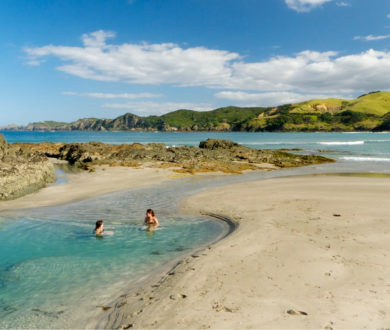
As with anything, setting your sights on beating a personal best or trying something you’ve always wanted to will give you a measurable buoy to swim towards. And with the spate of open sea swim events taking place this summer, perhaps it’s time you substituted time in the pool for a jaunt in the ocean? Said to be ideal for marathon swimmers who have grown bored with controlled environments as well as swimmers with a sense of adventure, one of the major differences between the two is the outcome. Pool swimmers have a goal time in mind and can be fairly certain that they will complete their races, but due to conditions that can change in a heartbeat, open water swimmers have to deal with the possibility that they may not finish their swim, and in some cases, in dangerous weather warnings for instance, may not even be able to start. There is no guarantee that they will be able to complete a channel or long distance swim, and unlike pool swimmers who can compete in the next swim meet and improve their times, open water swimmers may only have one opportunity to achieve their goals. While the uncertainty is enough to have many swimming for the shore, it’s fair to say that the mental and physical training and flexibility needed to face these challenges with minimal flinching will no doubt show you what you’re truly made of. And if that isn’t a New Year’s resolution that will set you up strong for a year that will go swimmingly, we don’t know what will.