


Photographer: Fran Parente
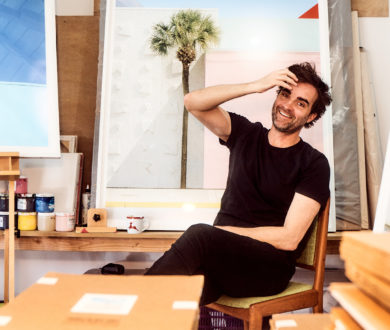
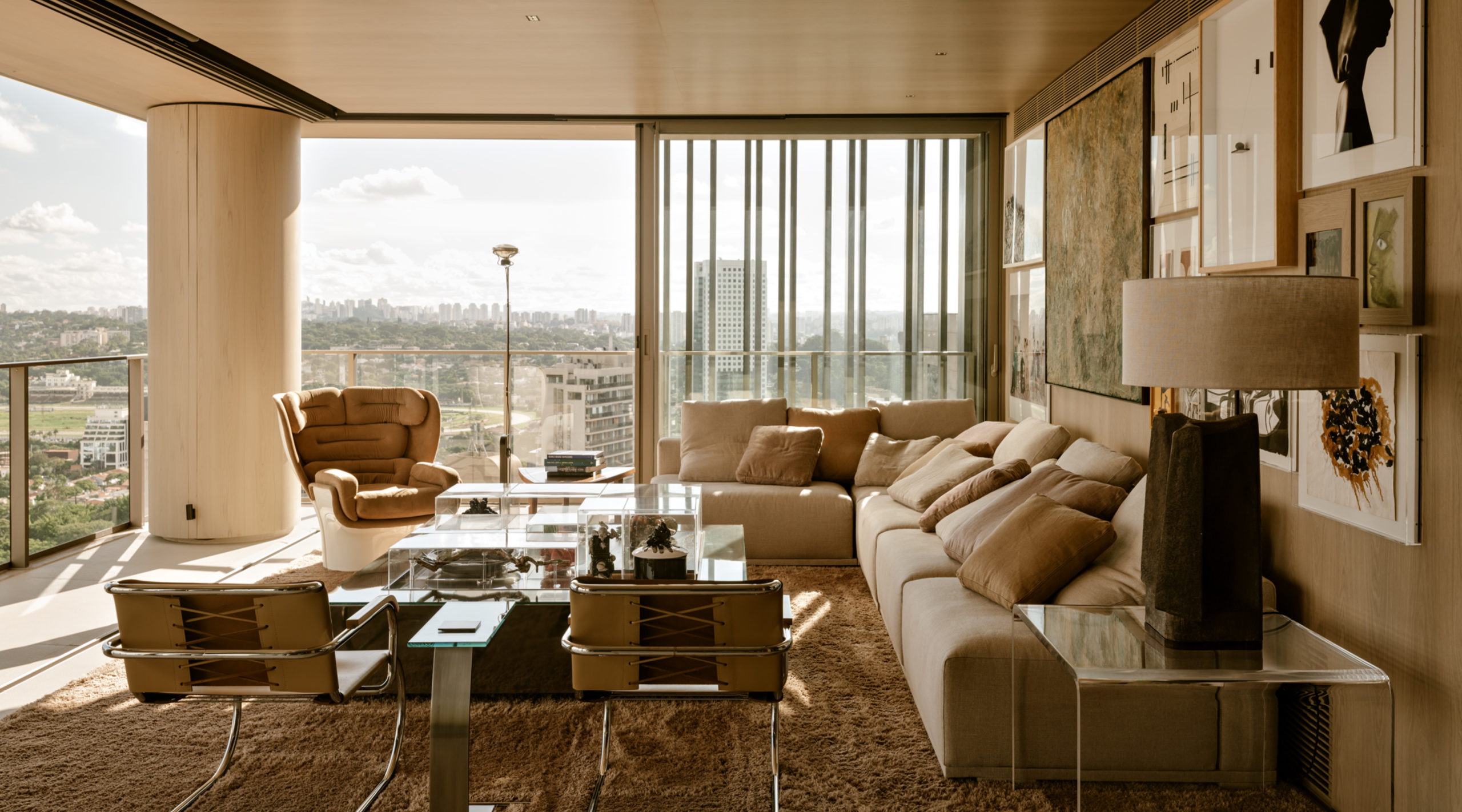
There’s a particular clarity that emerges when an architect of Arthur Casas’ calibre turns the lens inward. For nearly 35 years, the São Paulo-based designer lived in a 1940s house in the Pacaembu neighbourhood, originally designed by the revered Brazilian modernist Vilanova Artigas. Leaving that behind for a 300-square-metre apartment of his own making wasn’t simply a change of address. It was a philosophical shift, a deliberate move toward a more urban, contemporary mode of living.
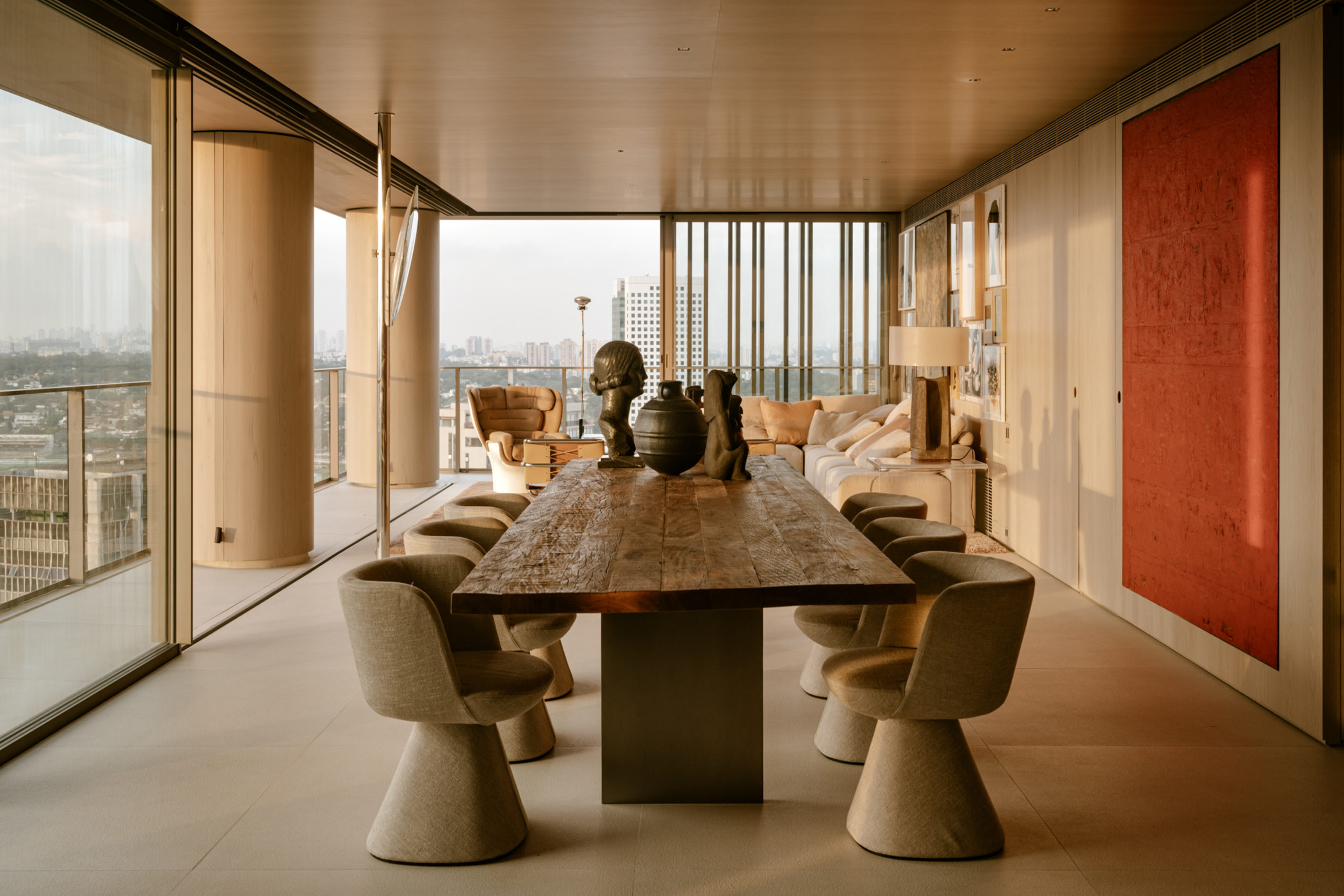
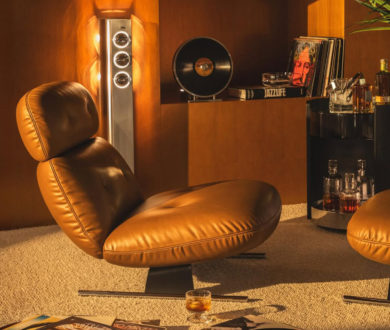
Casas is no stranger to ambition. His body of work spans residential, hospitality, and commercial projects across the globe, each distinguished by spatial generosity, material honesty, and a quiet rigour that resists trend. But the Praça Henrique Monteiro project in São Paulo, a mixed-use complex he designed to house a hotel, restaurant, boulangerie, jazz club, and residences, represents something altogether more personal. It’s an entire urban organism conceived under a single architectural language, and Casas lives at its heart.
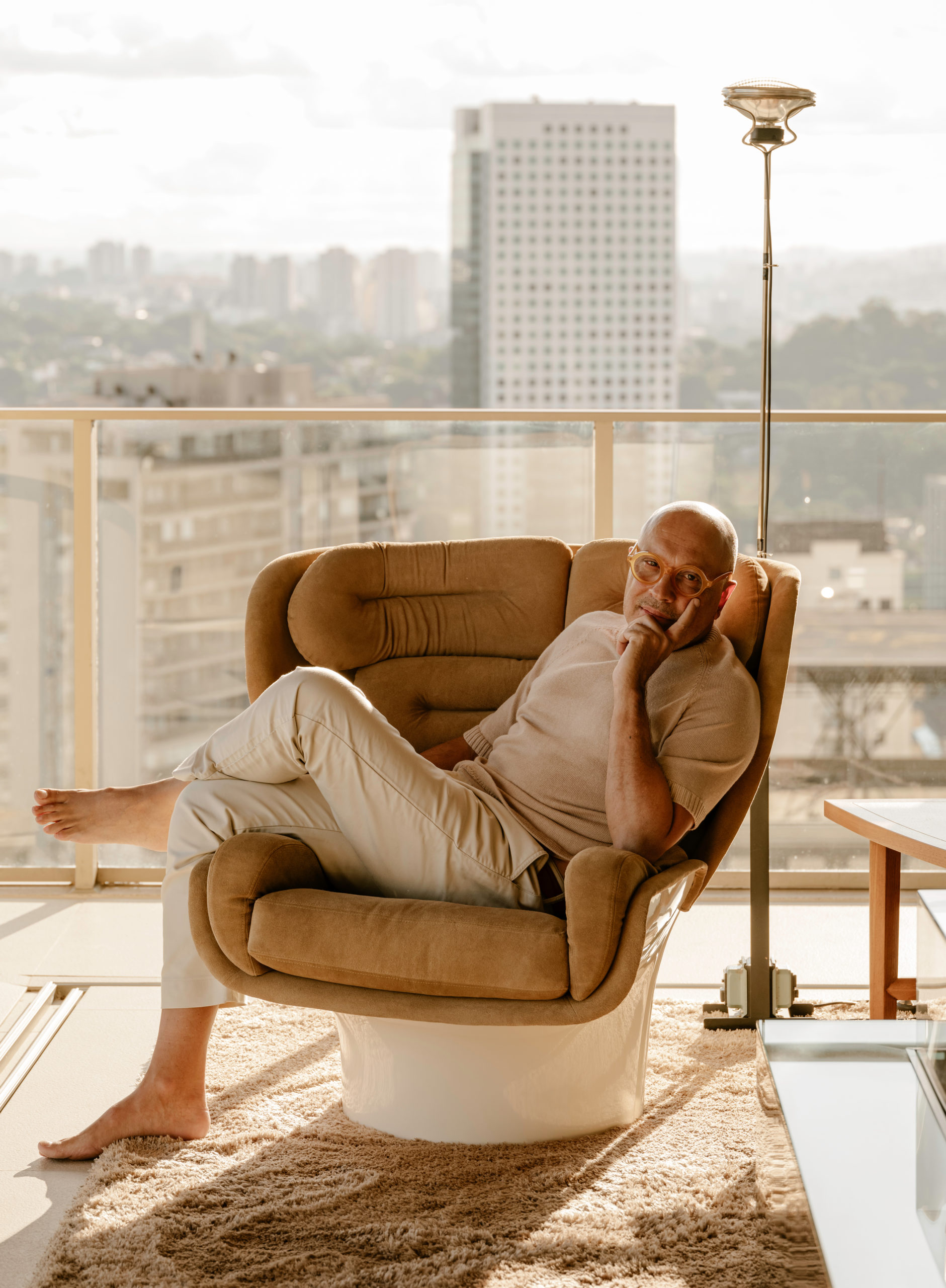
“I couldn’t design my apartment without also designing the other components of the building, including the tower, restaurant, and bar,” he explains. “For me, it’s essential to maintain this unified language.” It’s a statement that reveals much about his approach. Where many architects compartmentalise, Casas insists on coherence. The idea that a building’s lobby, its dining room, and its most private bedroom should all speak the same language.
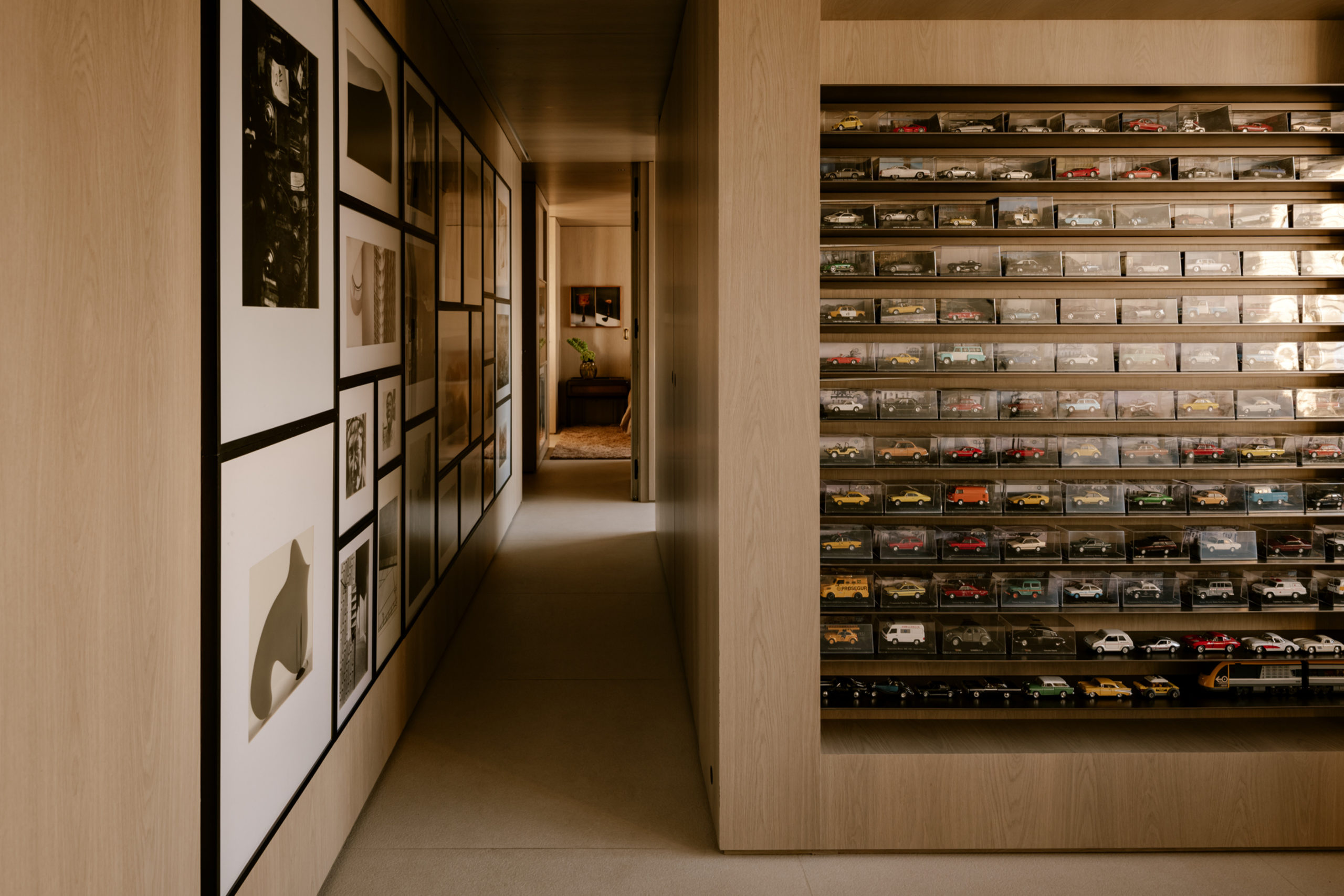
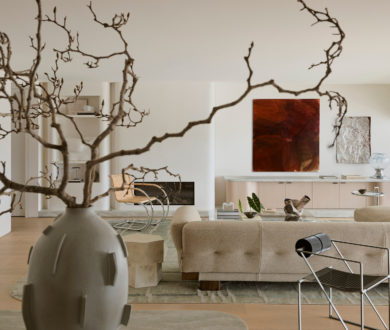
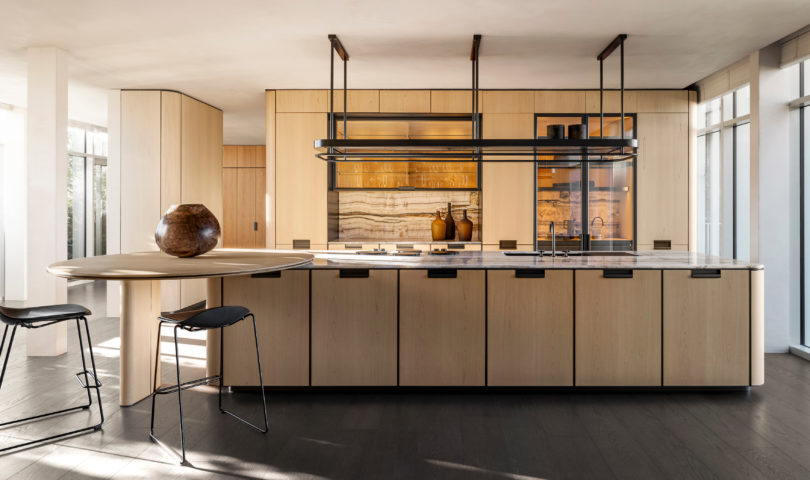
His own apartment, then, functions less as a showpiece and more as a proof of concept. The layout eliminates redundancy in favour of fluid circulation. Natural materials and visual neutrality provide a restrained backdrop for a deeply personal collection of art and design, with works by Mira Schendel, Carlito Carvalhosa, and Anna Maria Maiolino sitting alongside his own furniture designs and ceramics featuring collaborations with Ai Weiwei. “Designing for myself is very easy,” he says. “I’m the best client for myself because I know what I like and how I live.”
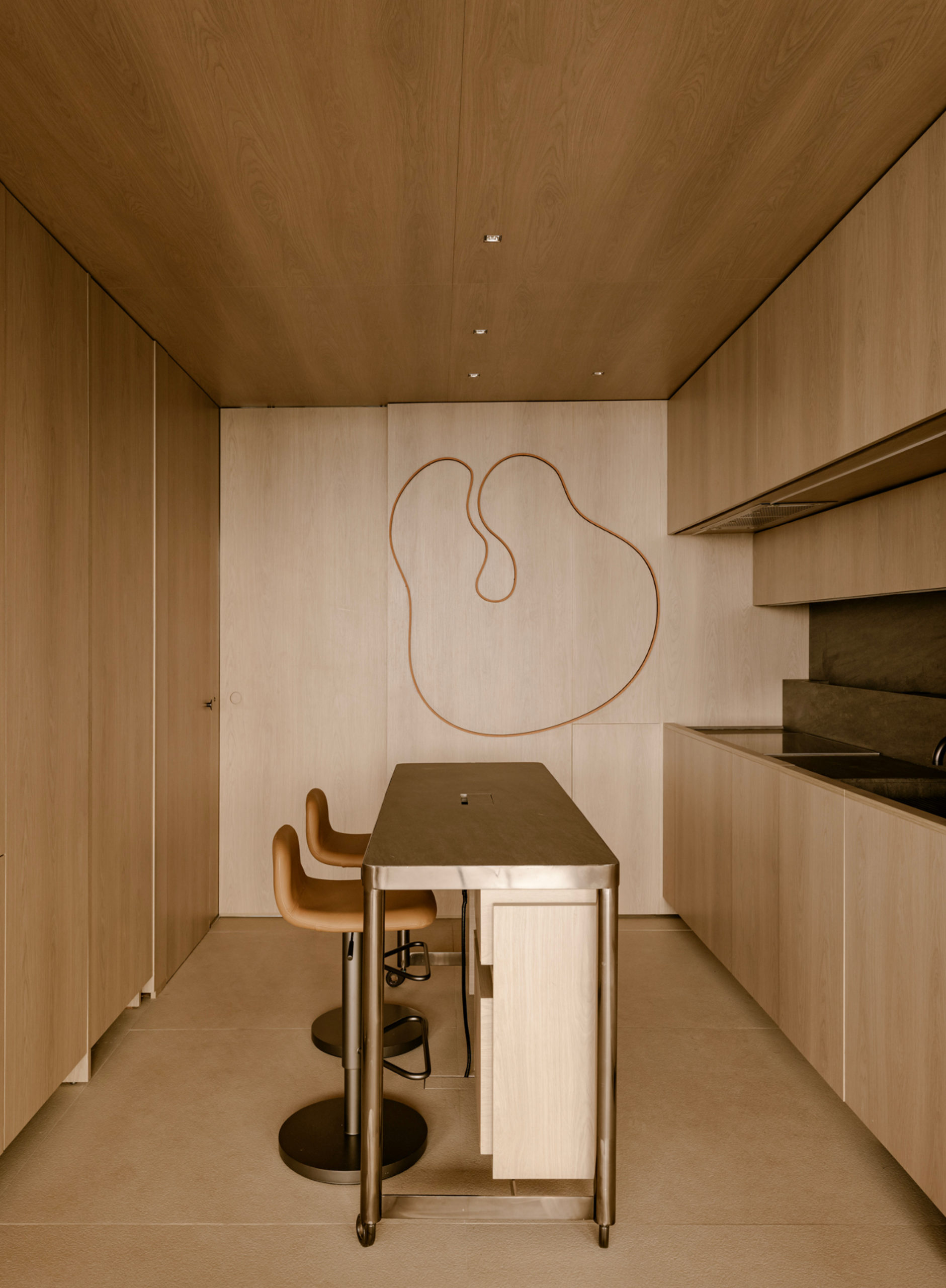
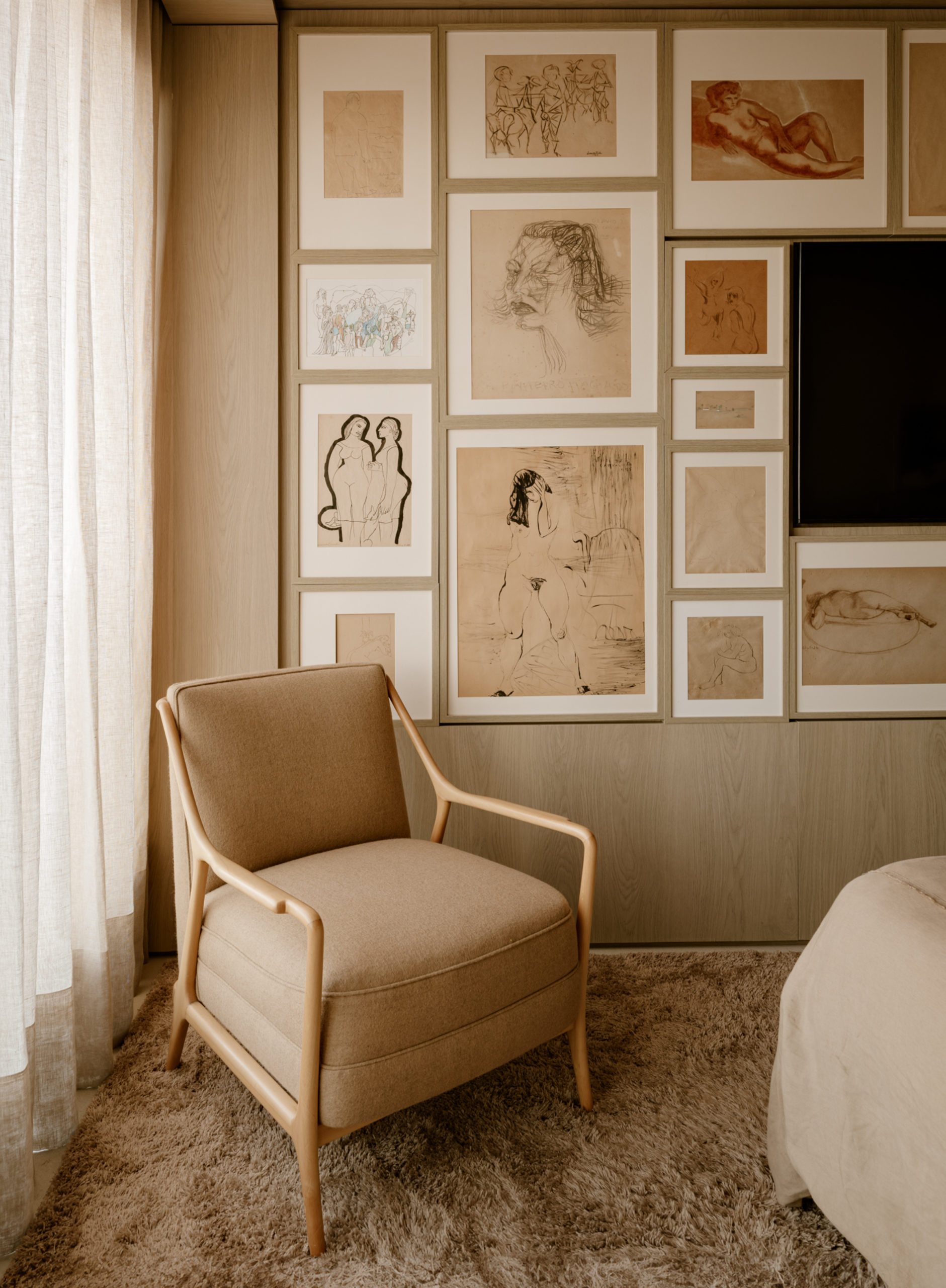
What makes the project so compelling isn’t the specifics of the floorplan but the rare opportunity it affords: an architect inhabiting his own work at full scale, testing his convictions daily. For Casas, the Praça isn’t a finished object. It’s a living experiment, one in constant adaptation, in how architecture conceived holistically can shape not just a single home but an entire way of life.