


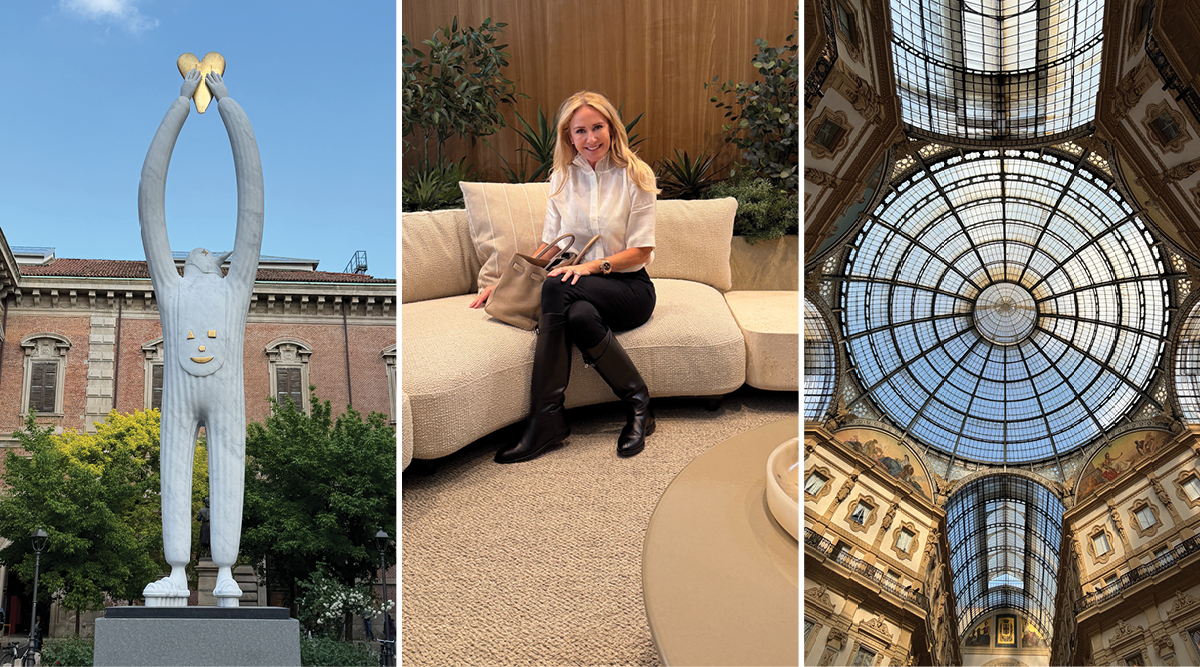
Having finally returned to Milan for Salone del Mobile after a brief hiatus, I was immediately reminded that there is still a world where creativity, craftsmanship, and human ingenuity genuinely matter. The scale of what’s on show across all corners of the city remains almost impossible to comprehend until you’re back in it again. Moving among the presentations, historic palazzos, hidden courtyards, and engaging in fascinating conversations about the art of the craft, Milan remains as inspiring and motivating as it was when I first started attending more than 20 years ago.
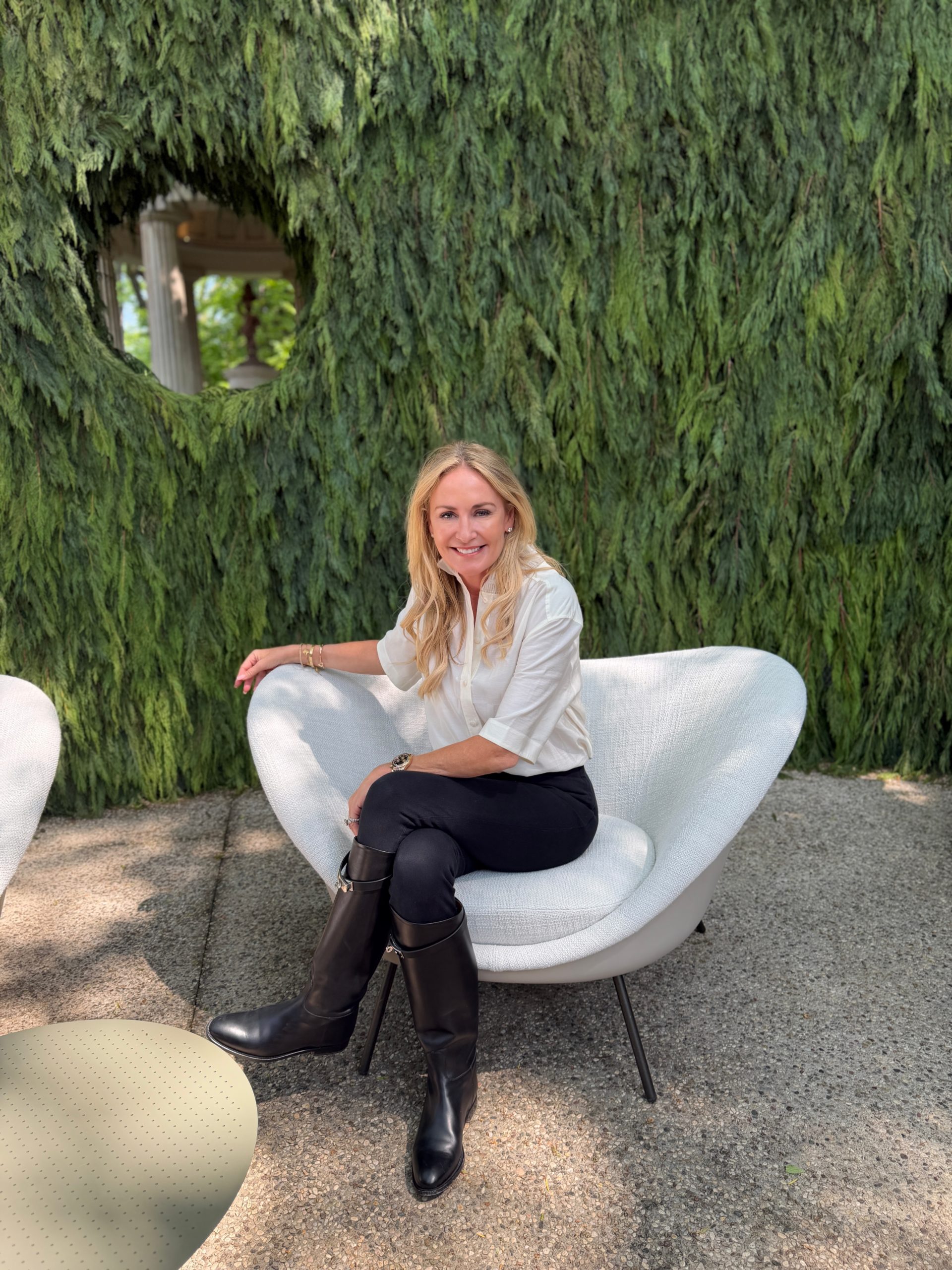
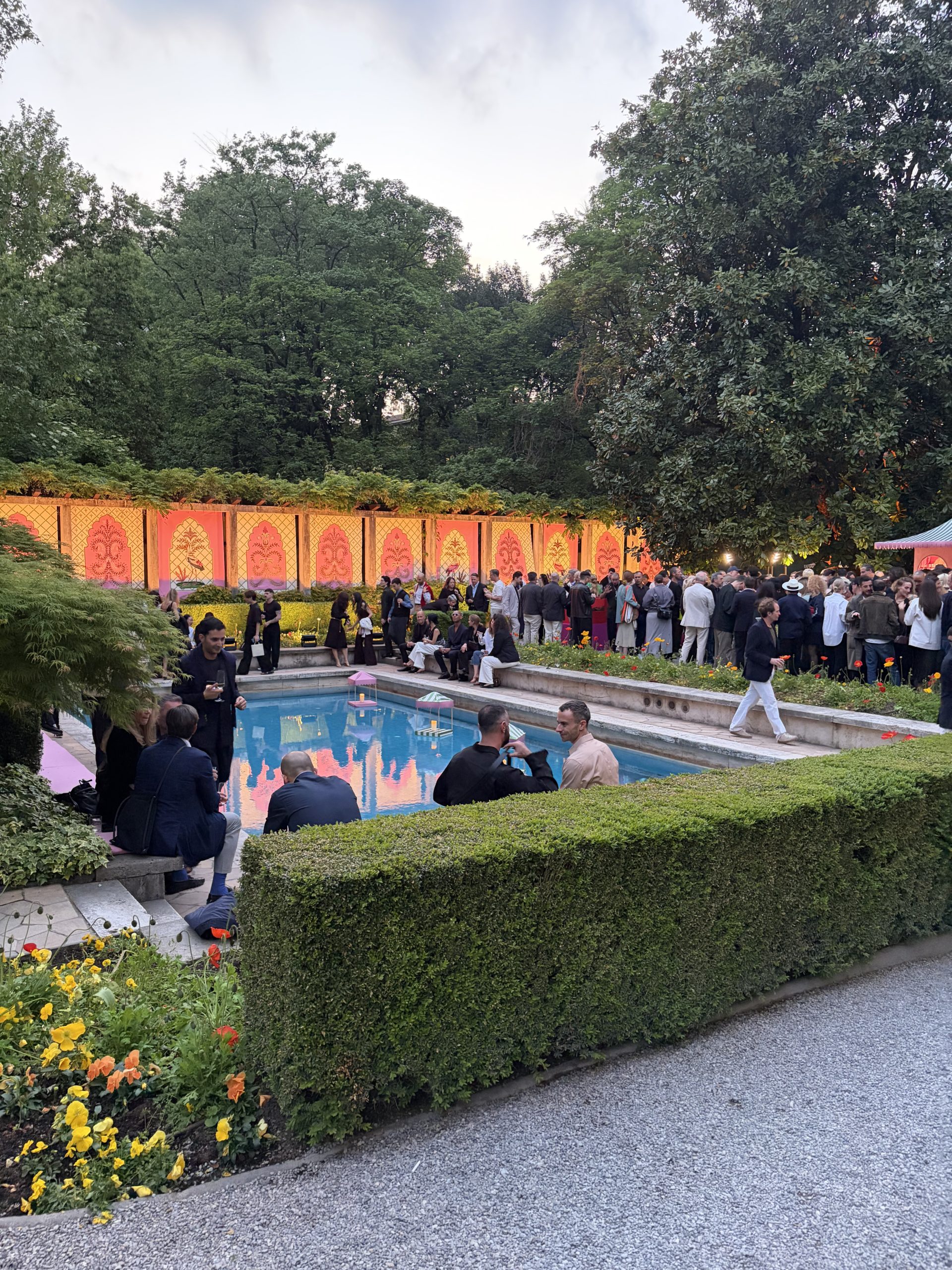
While so much of modern life accelerates towards artificial intelligence and frictionless digital interaction, Milan unashamedly moved firmly in the opposite direction, with a clear focus on tactility, craftsmanship, and permanence. A celebration of texture, materiality, and objects designed to age gracefully rather than expire alongside the next software update.
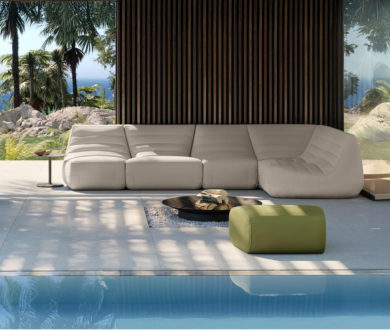
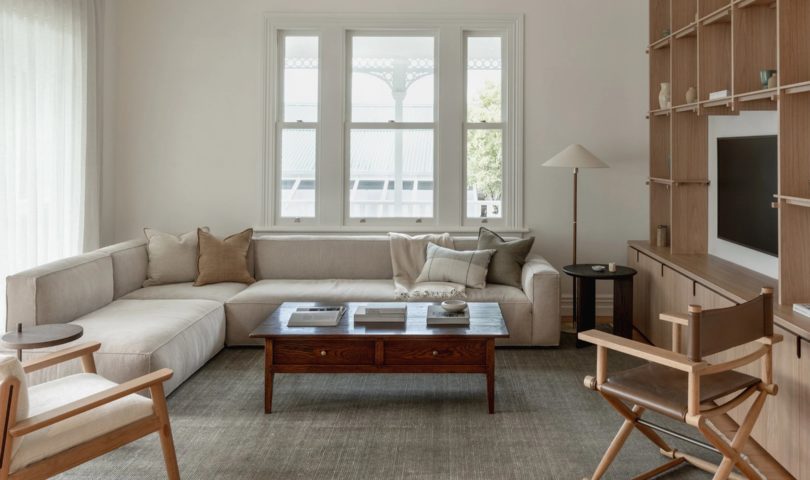
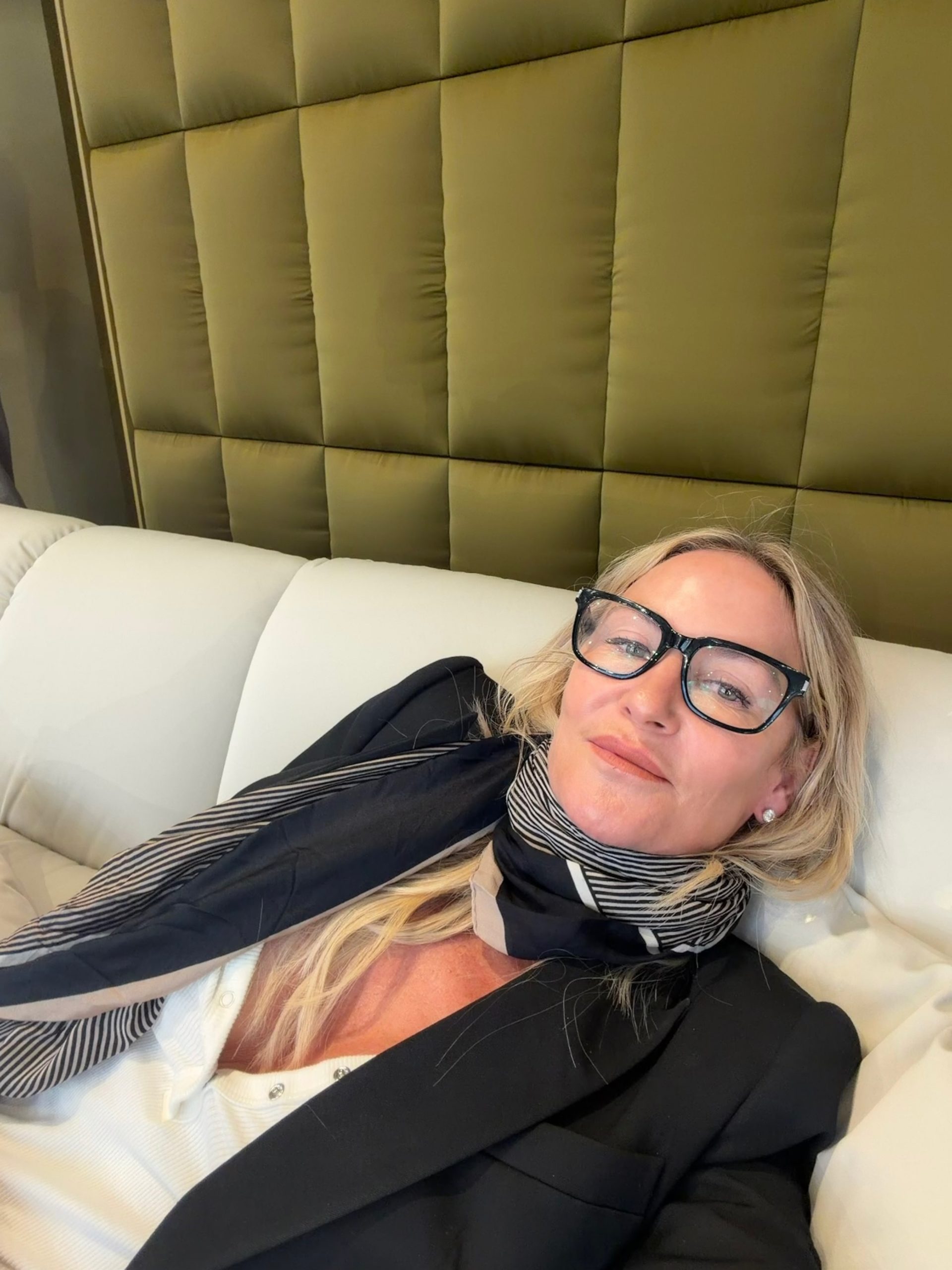
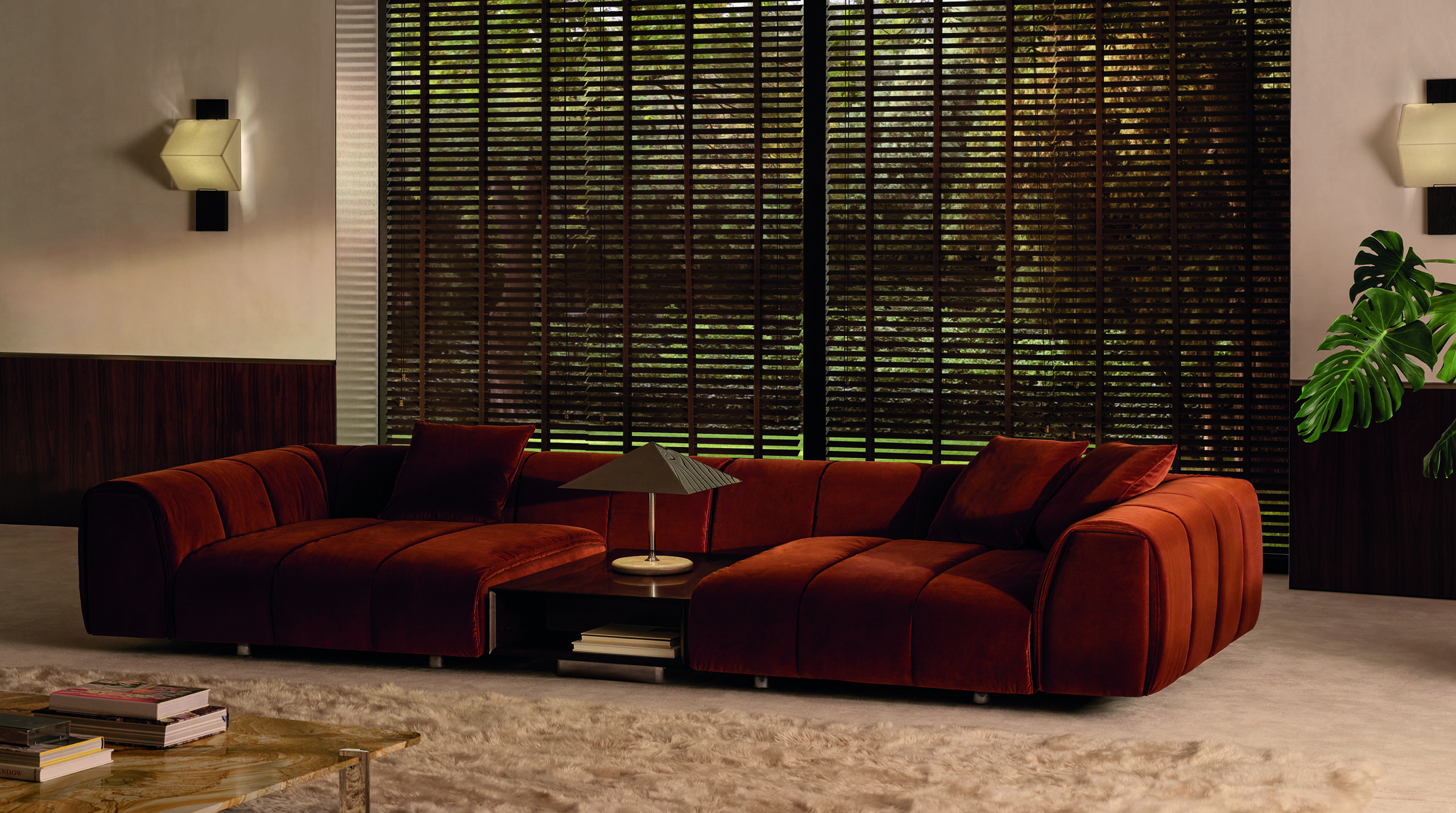
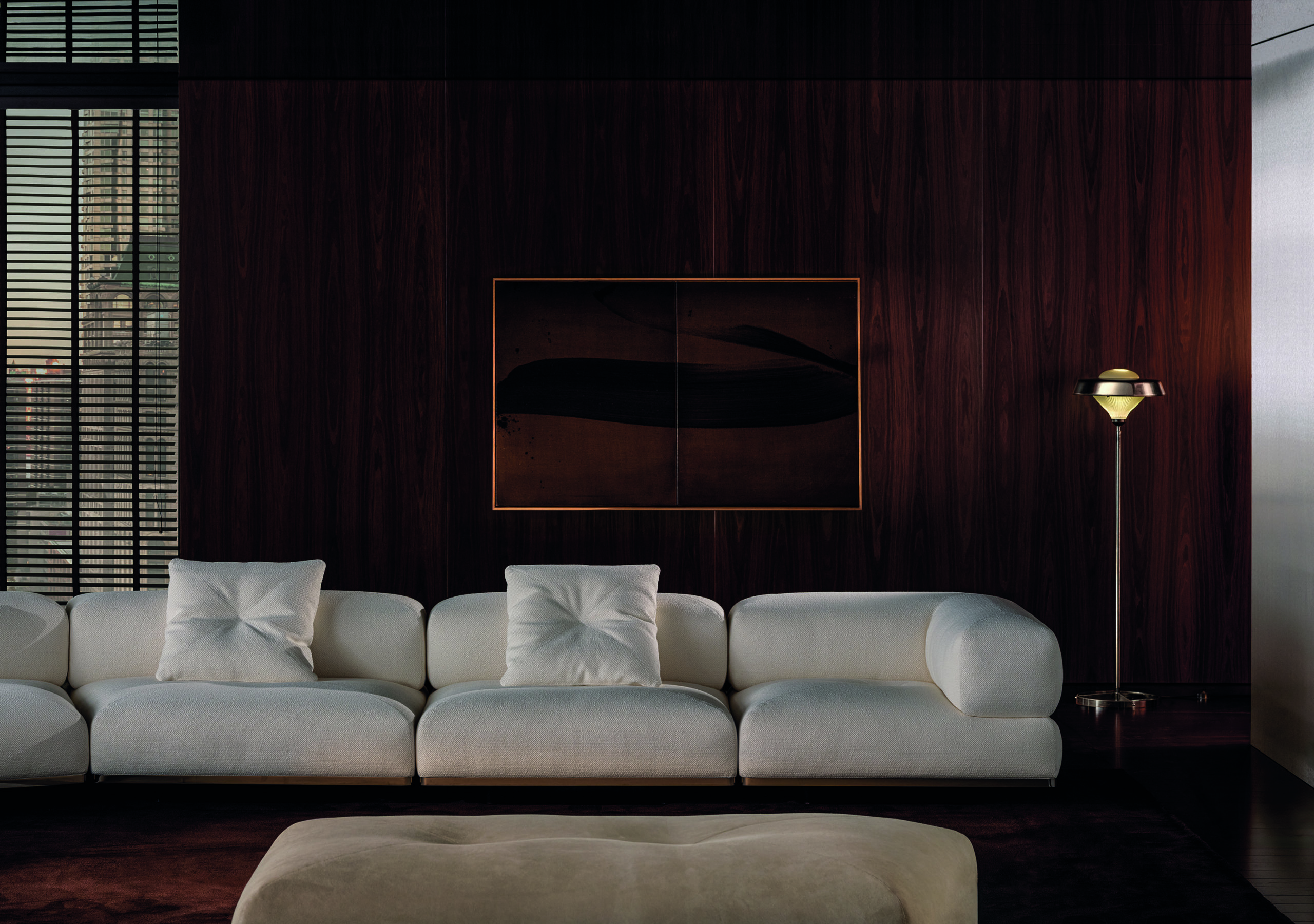
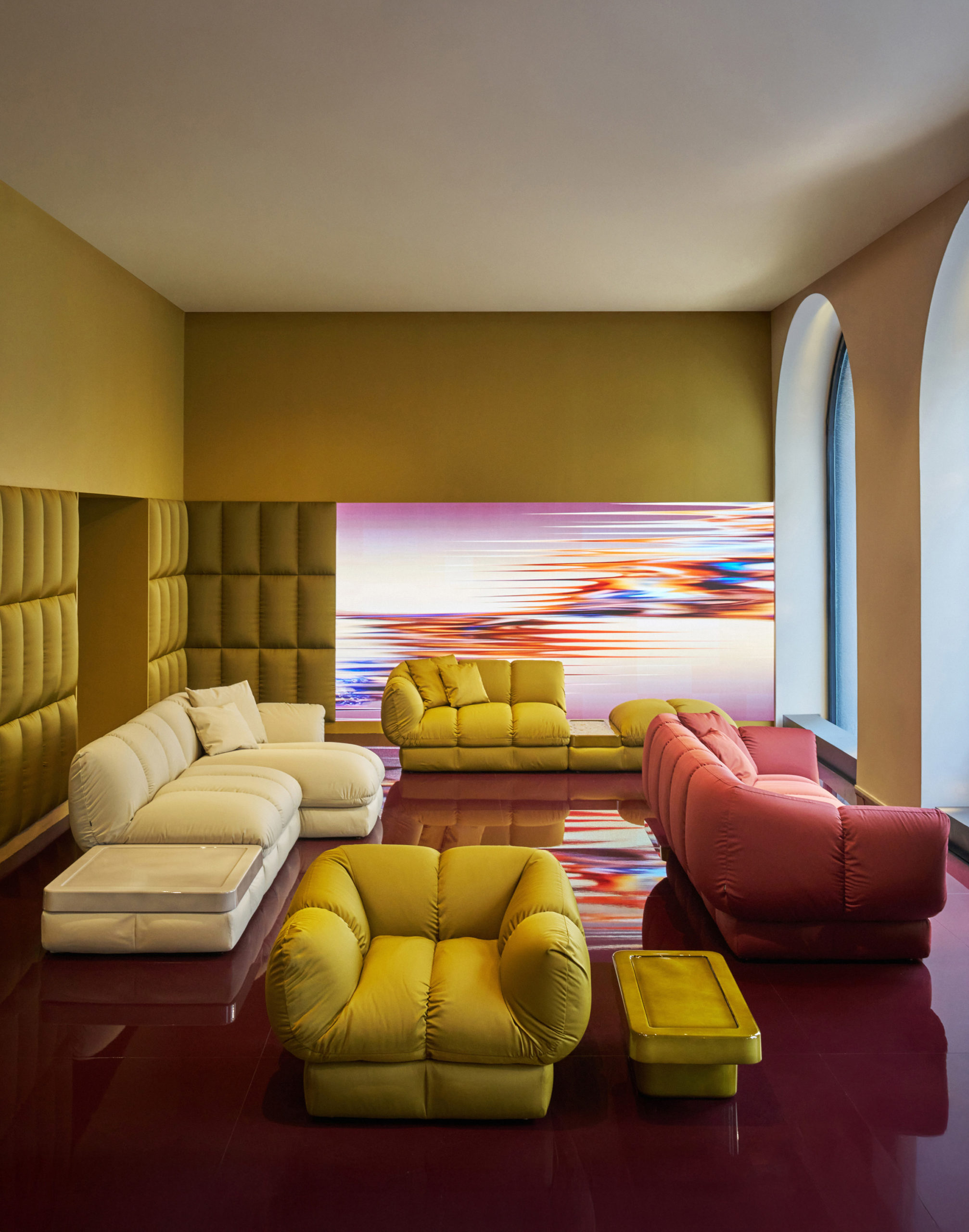
Whether it was a response to the current global state of affairs, I cannot confirm, but the idea of comfort dominated. Sofas are softer and deeper than ever before, and, more interestingly, more curvaceous in a way that feels connected. Antonio Citterio’s Quincy sectional sofa for Flexform captured this concept beautifully, while Minotti’s new Ruffle, Orion, and Softcase systems explored sculptural modularity with a far more human sensibility. At Cassina, Patricia Urquiola’s Ardys sofa channelled the comfort of a duvet so convincingly that it was genuinely difficult for me to leave its confines.
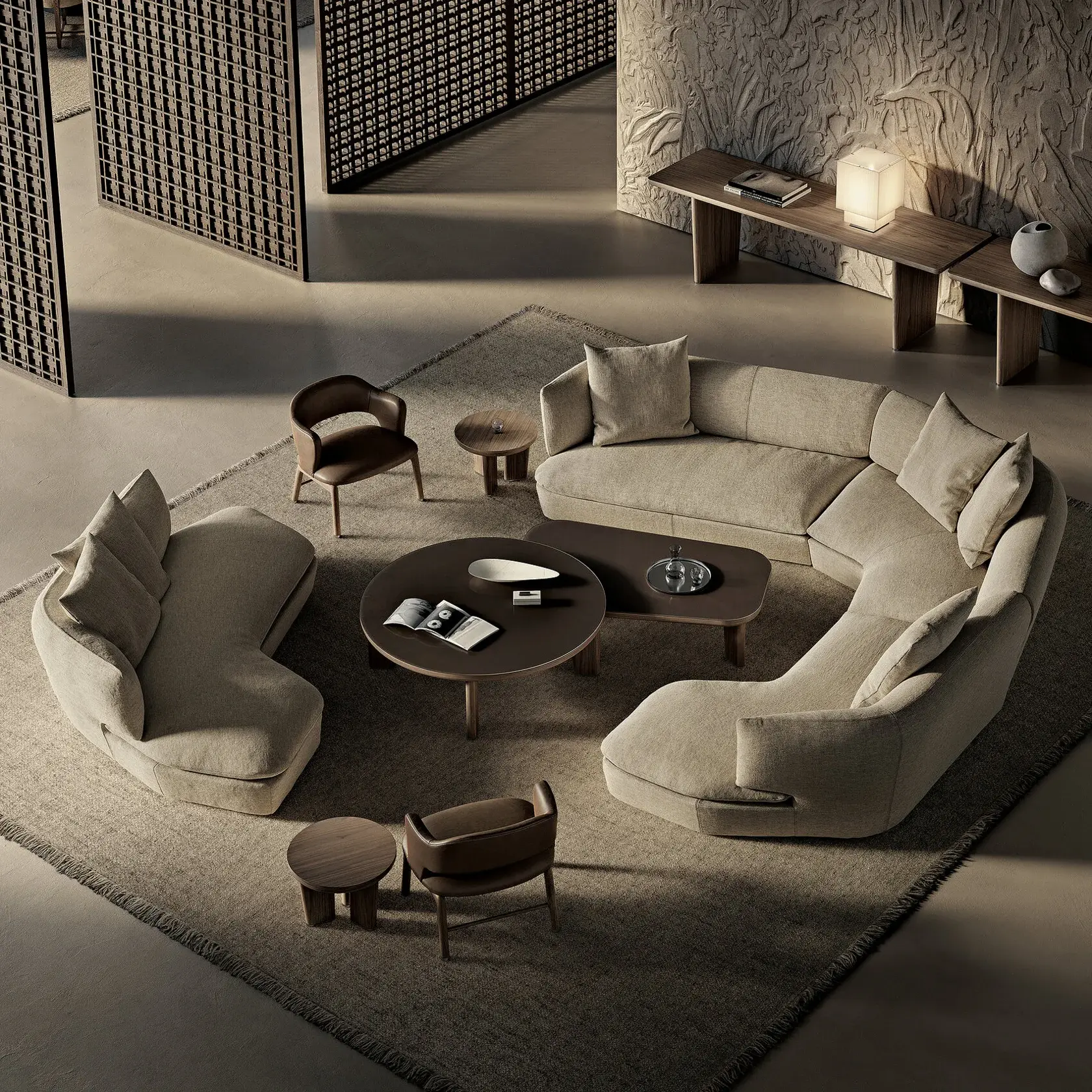
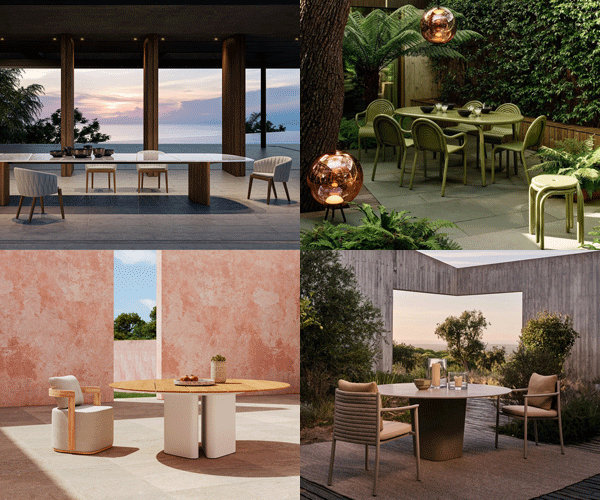
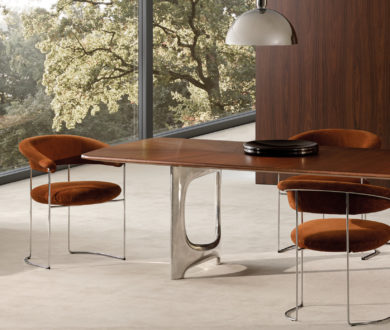
Elsewhere, dining tables evolved into sculptural statements, with Jean-Marie Massaud’s Vortice table for Poliform bringing renewed attention to the architectural importance of what sits beneath the surface. While Poliform’s Alfred armchair, Attimo chaise lounge, and shell-inspired Shore outdoor collection reinforced the growing desire for softer, more relaxed forms that blur the line between indoors and out.
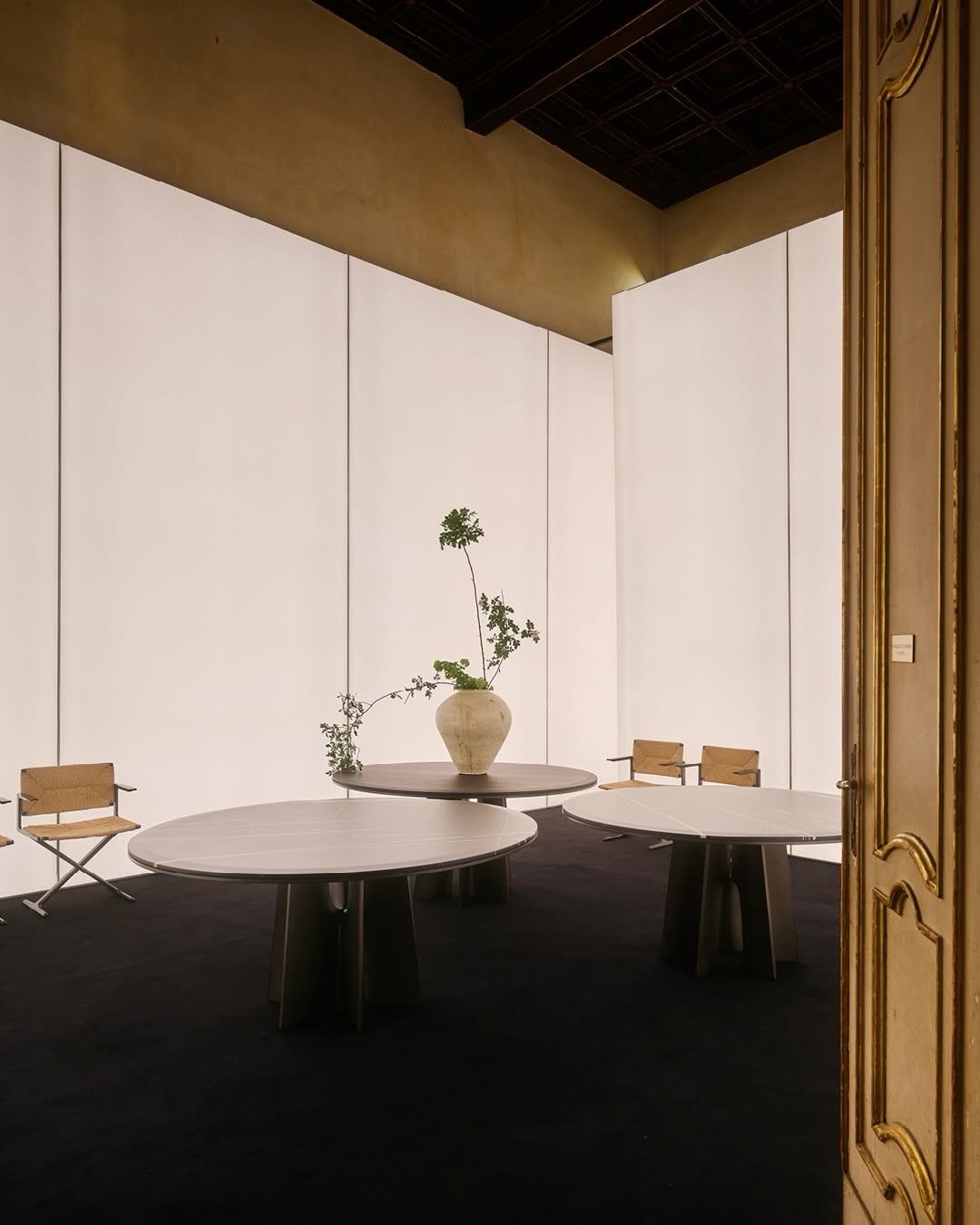
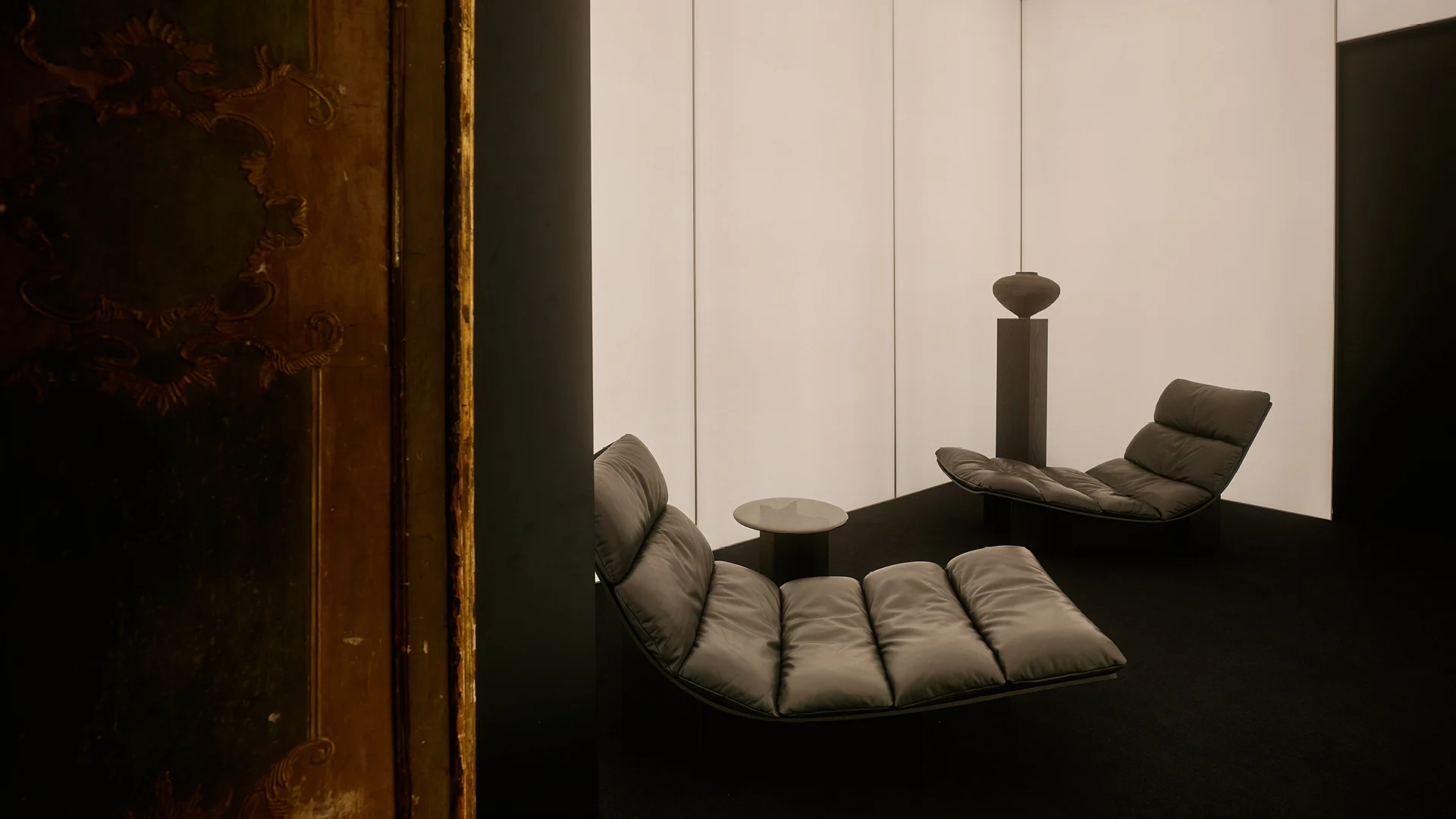
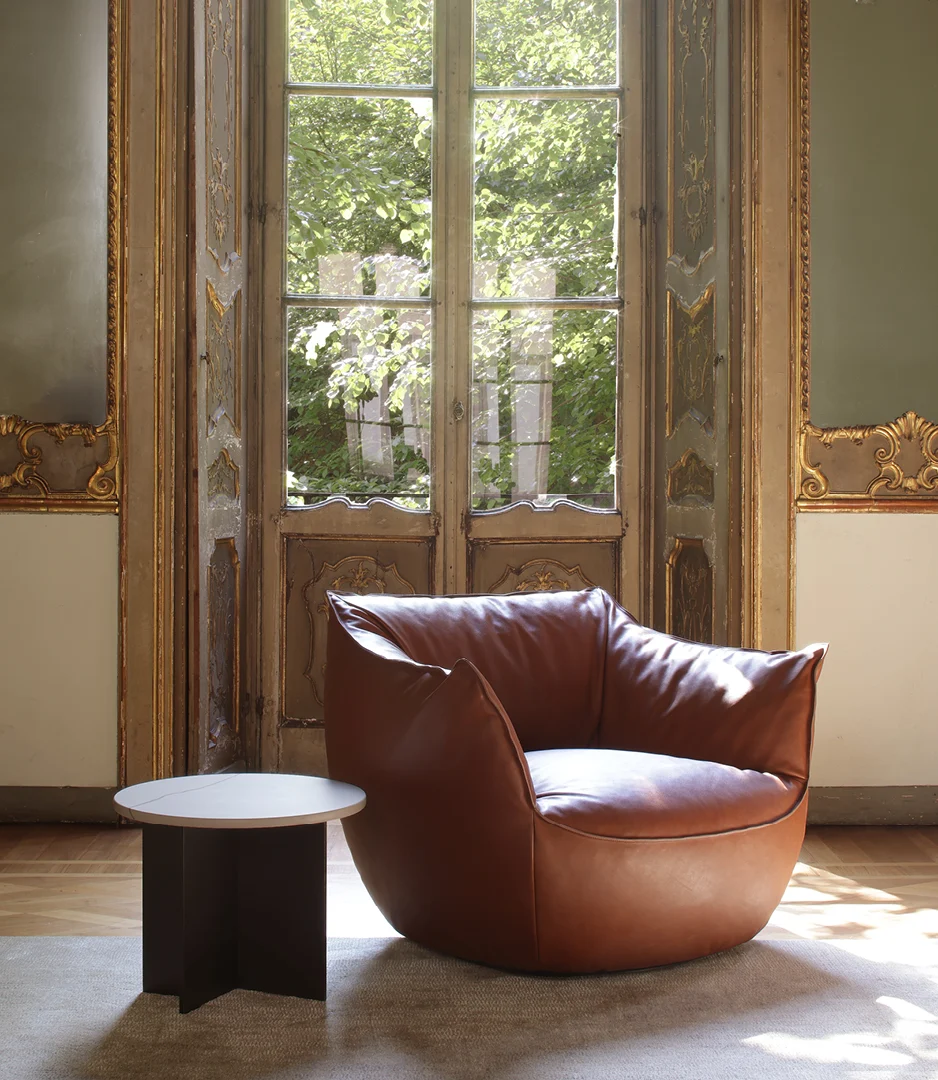
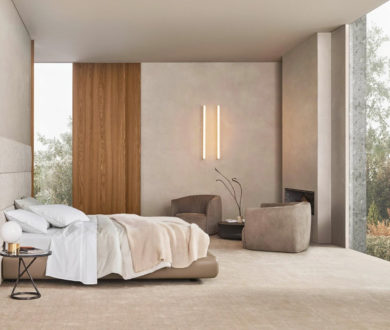
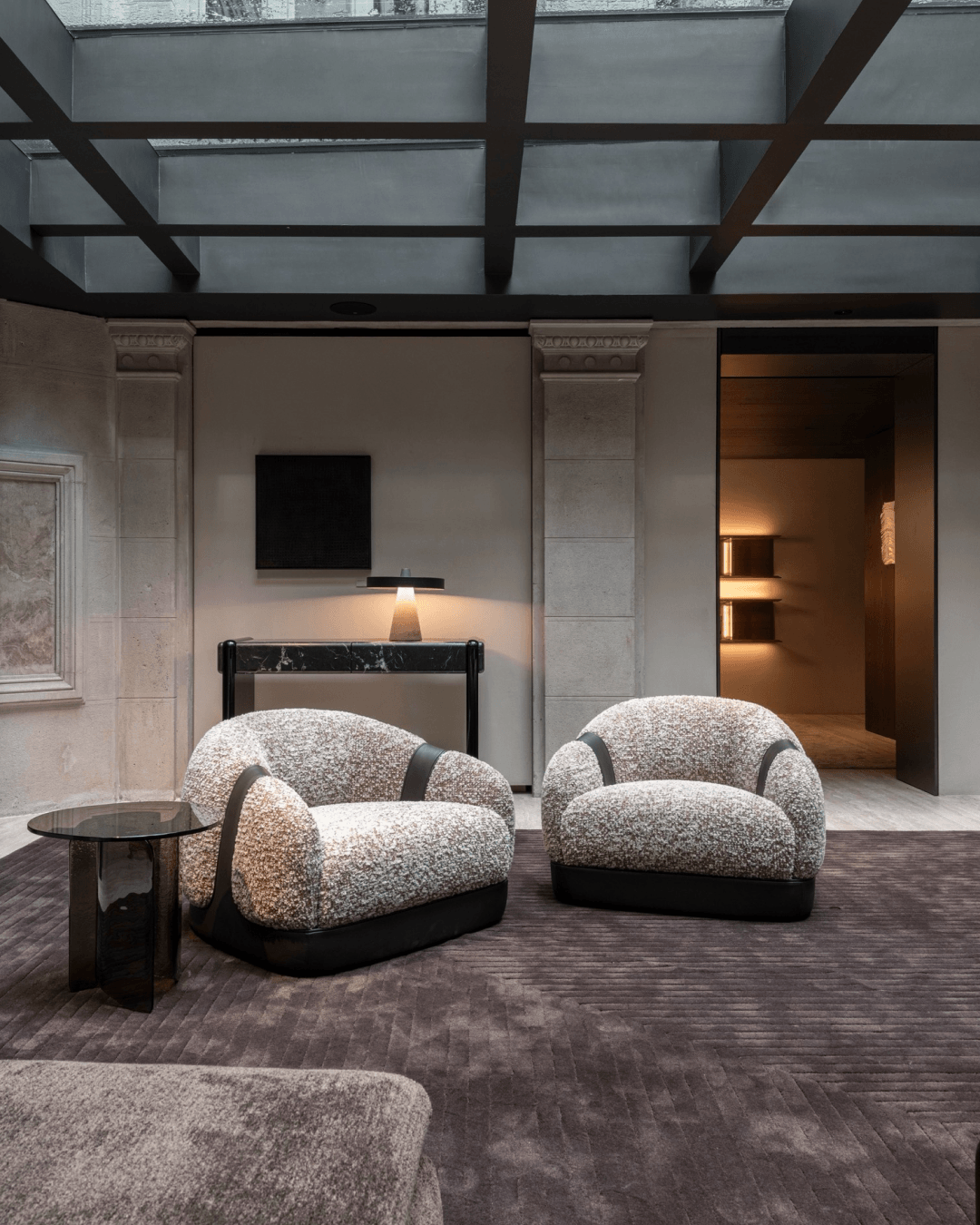
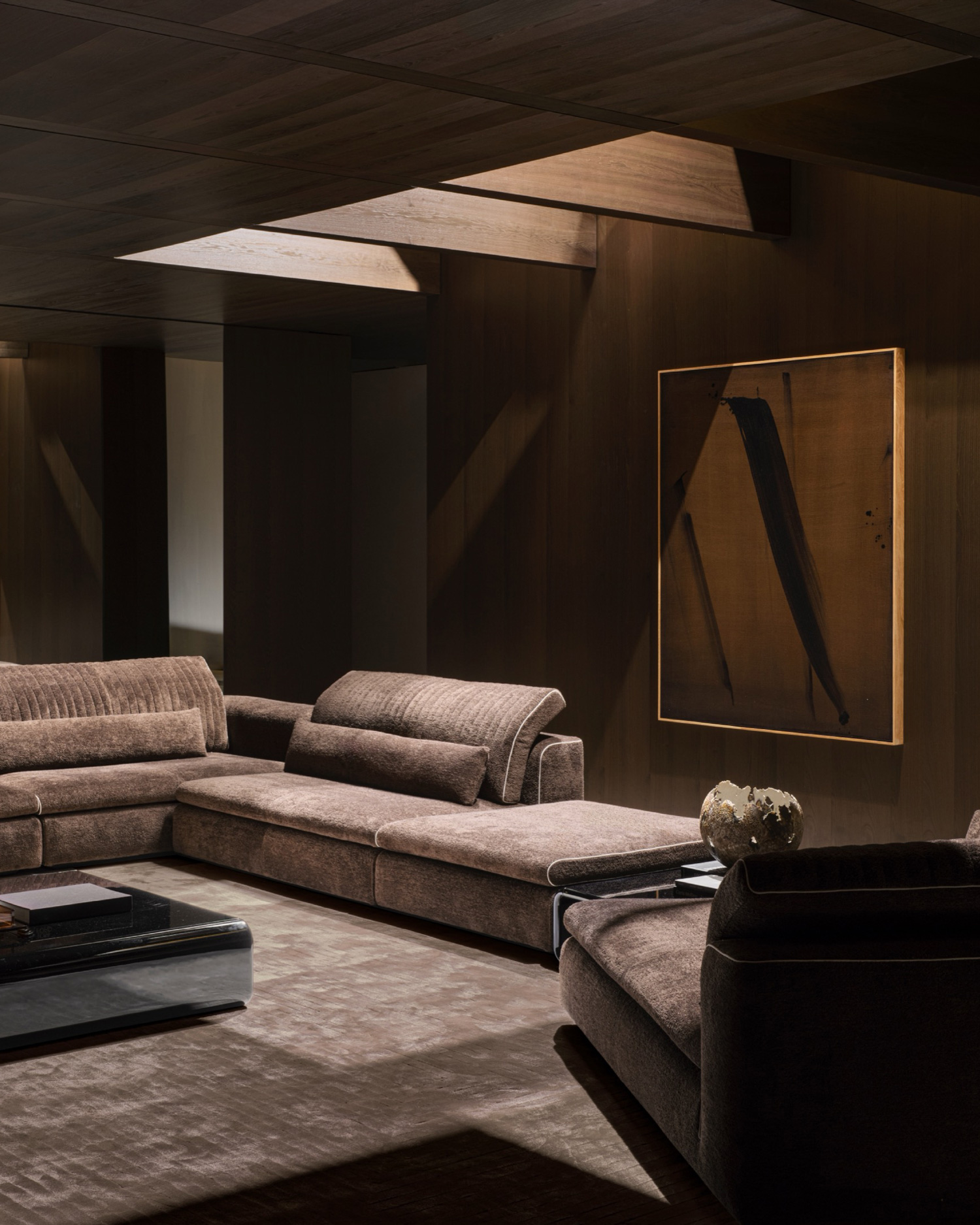
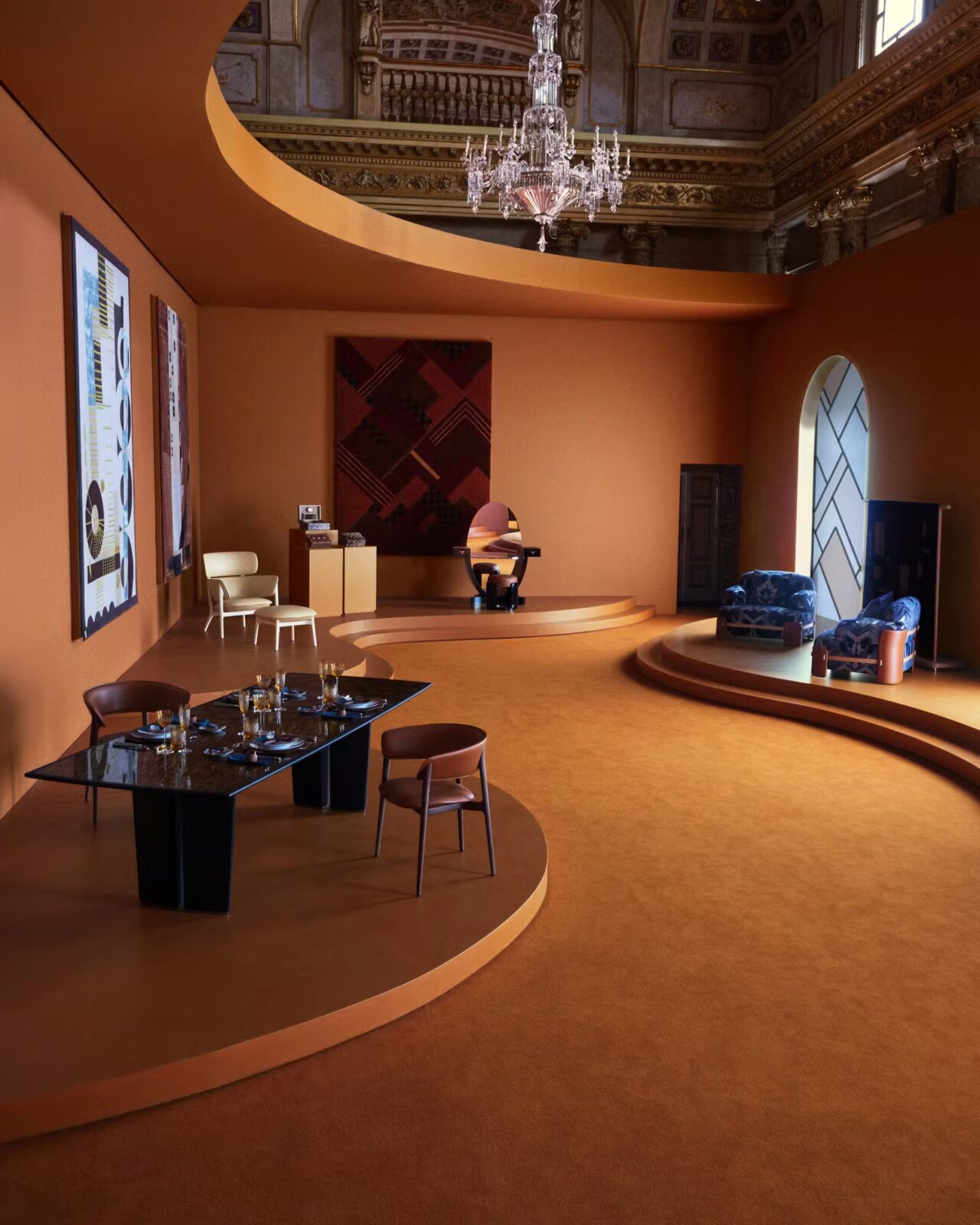
There was an impressive show from Molteni&C, where Vincent Van Duysen transformed the brand’s grand palazzo into a complete vision of contemporary living, spanning curved kitchens, inviting seating, refined bathrooms, and wardrobes complete with hidden watch-winding compartments.
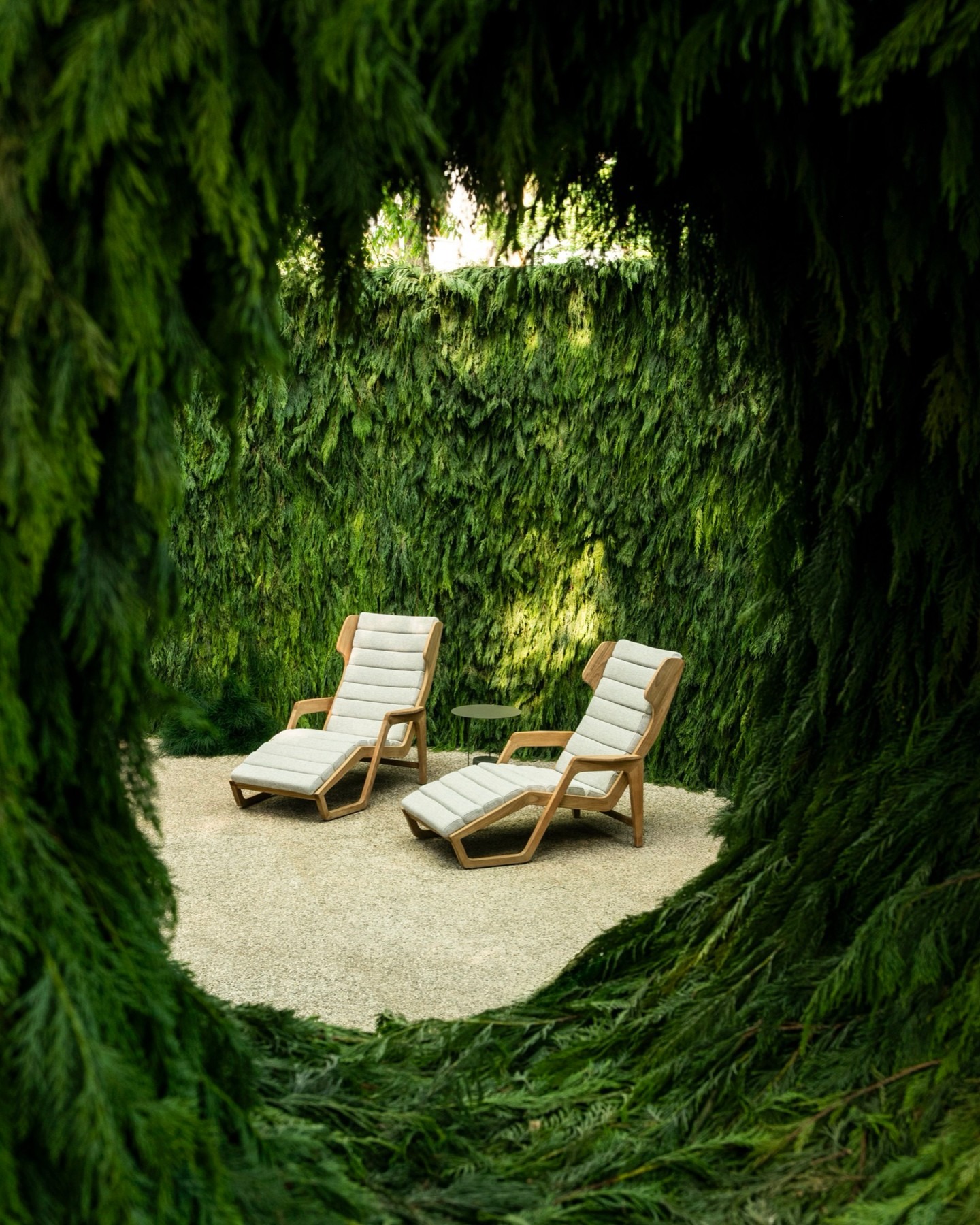
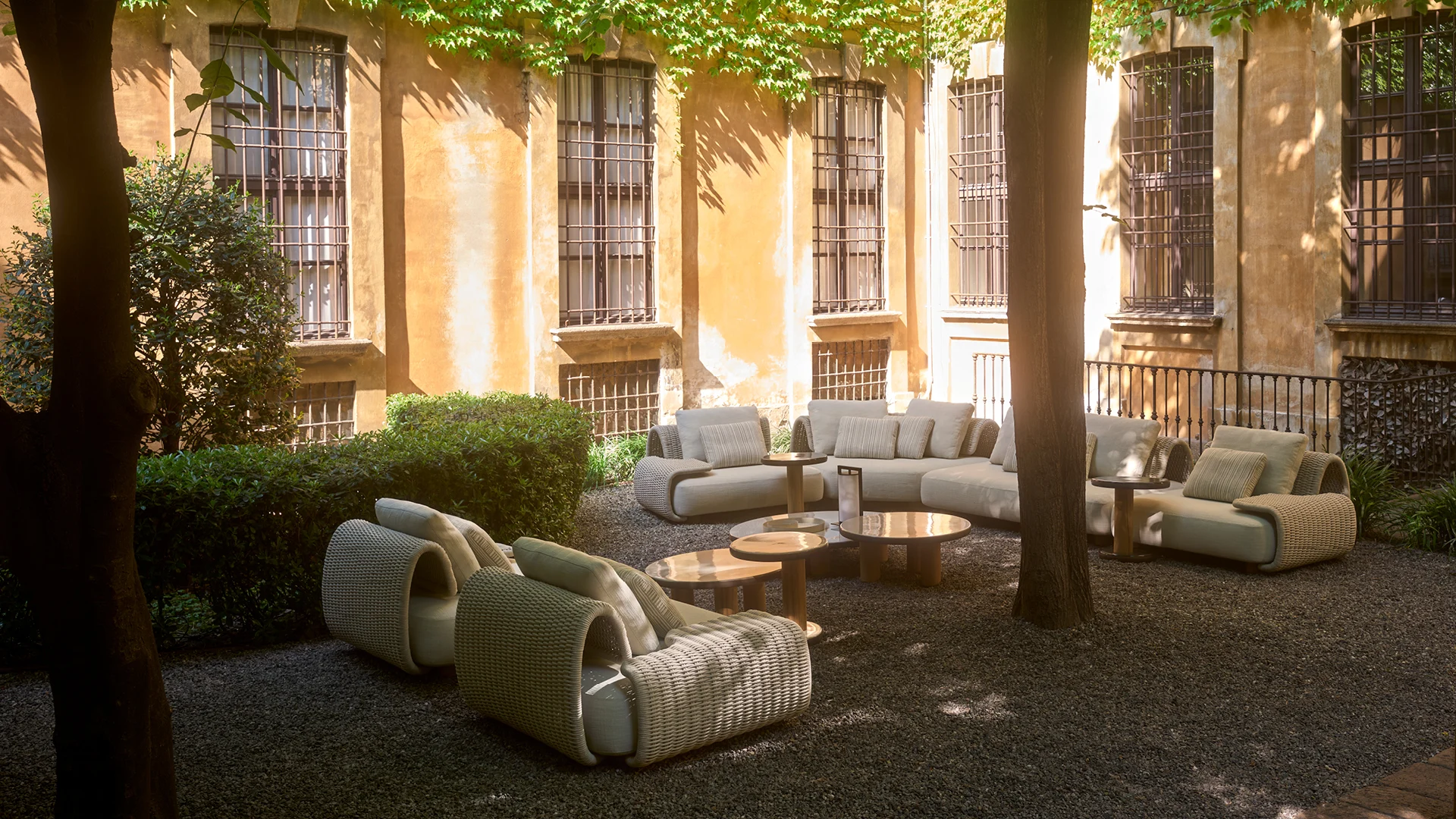
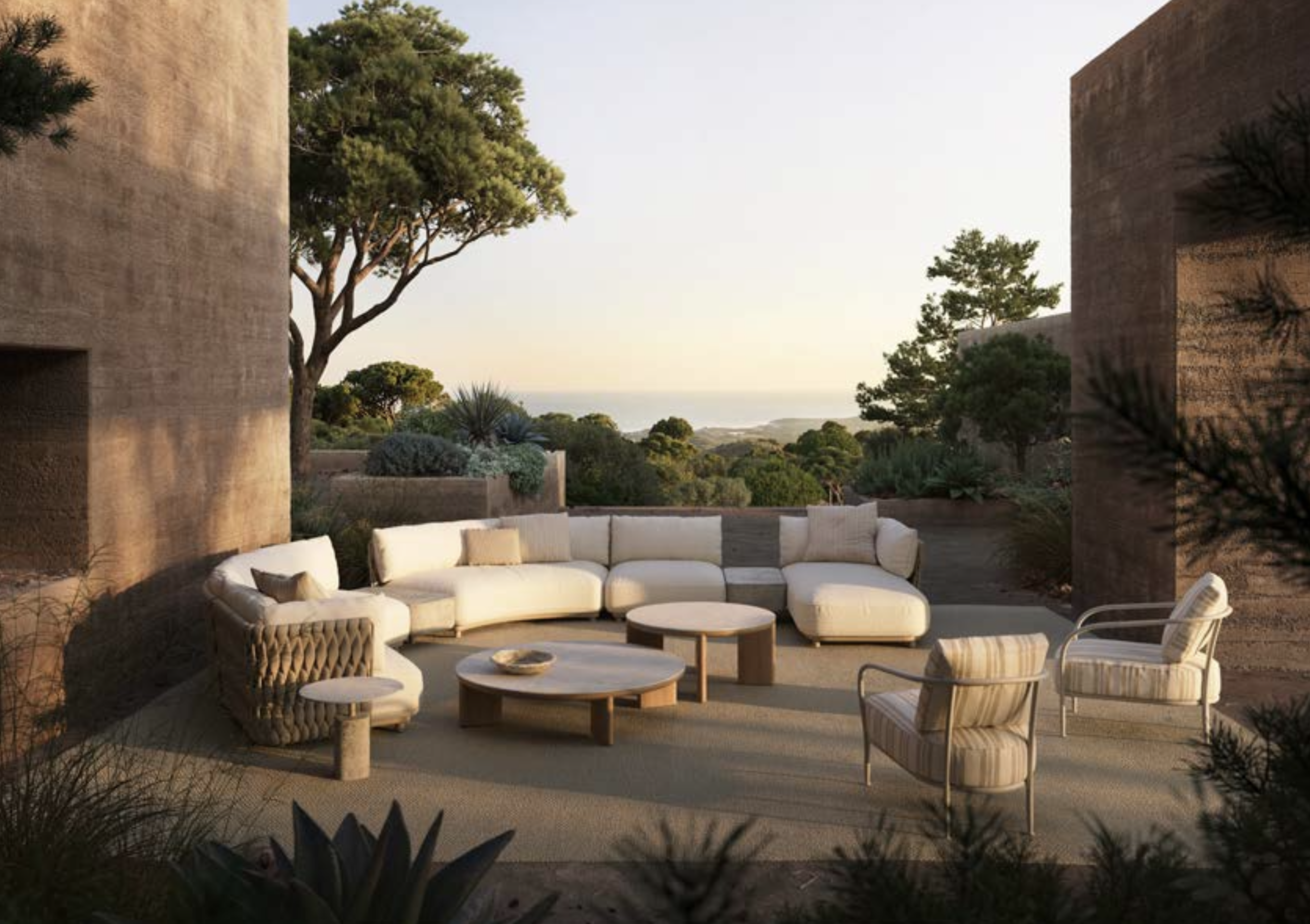
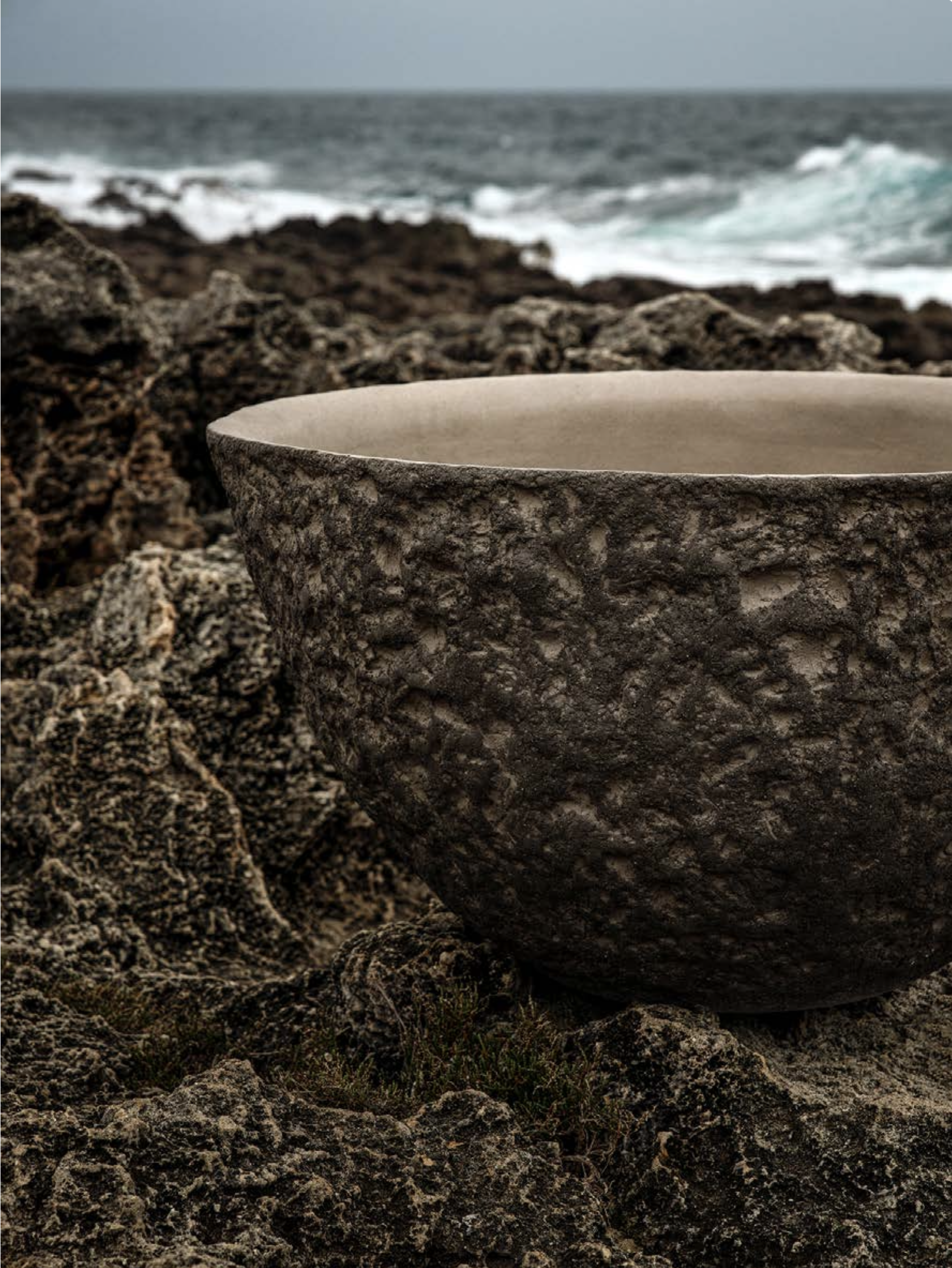
Outdoor living also continued its evolution into something genuinely sophisticated. Tribù’s beautifully resolved collections sat seamlessly alongside Domani’s handcrafted pots, together reinforcing the idea that exterior spaces now deserve exactly the same design consideration as those indoors.
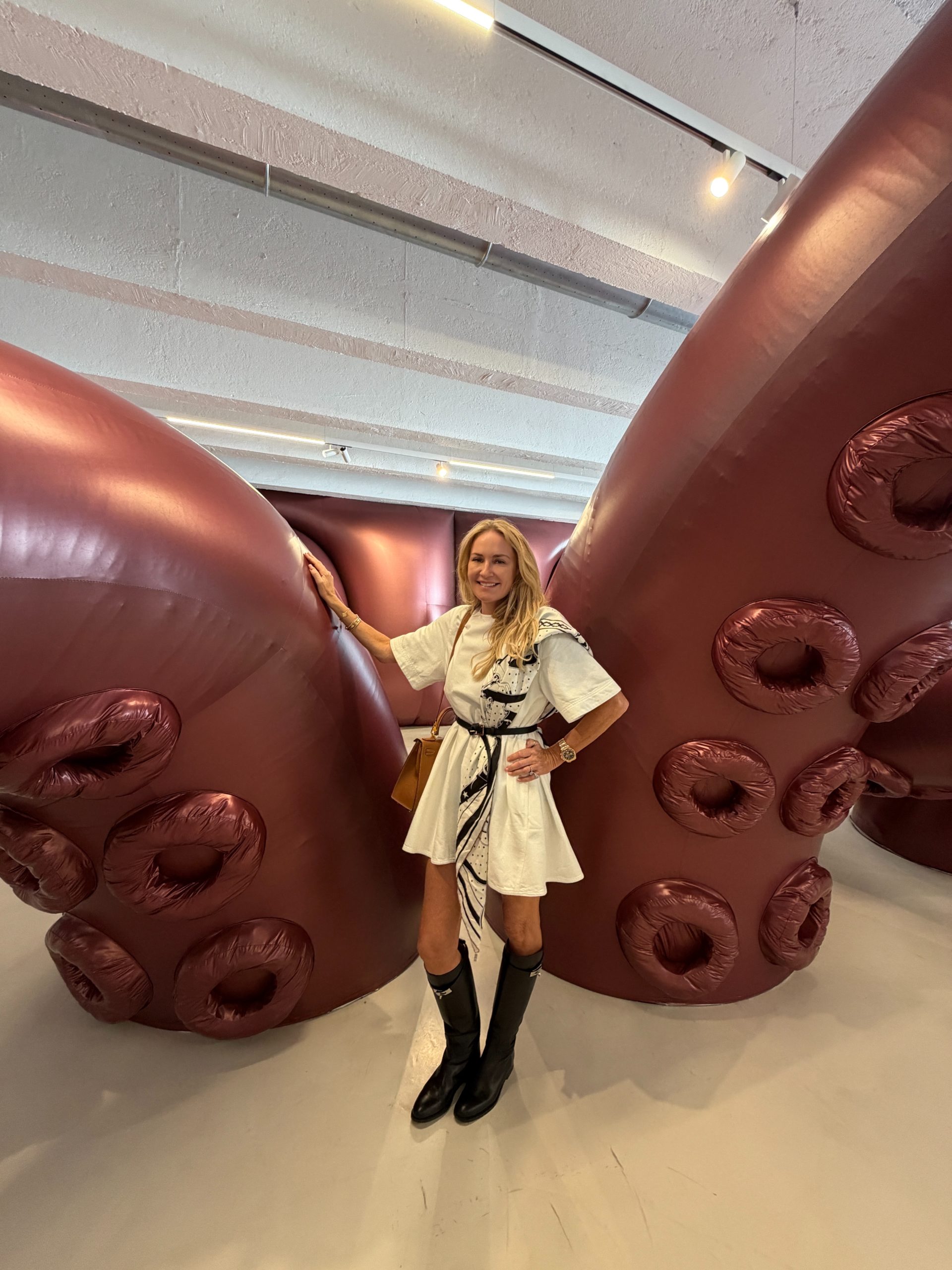
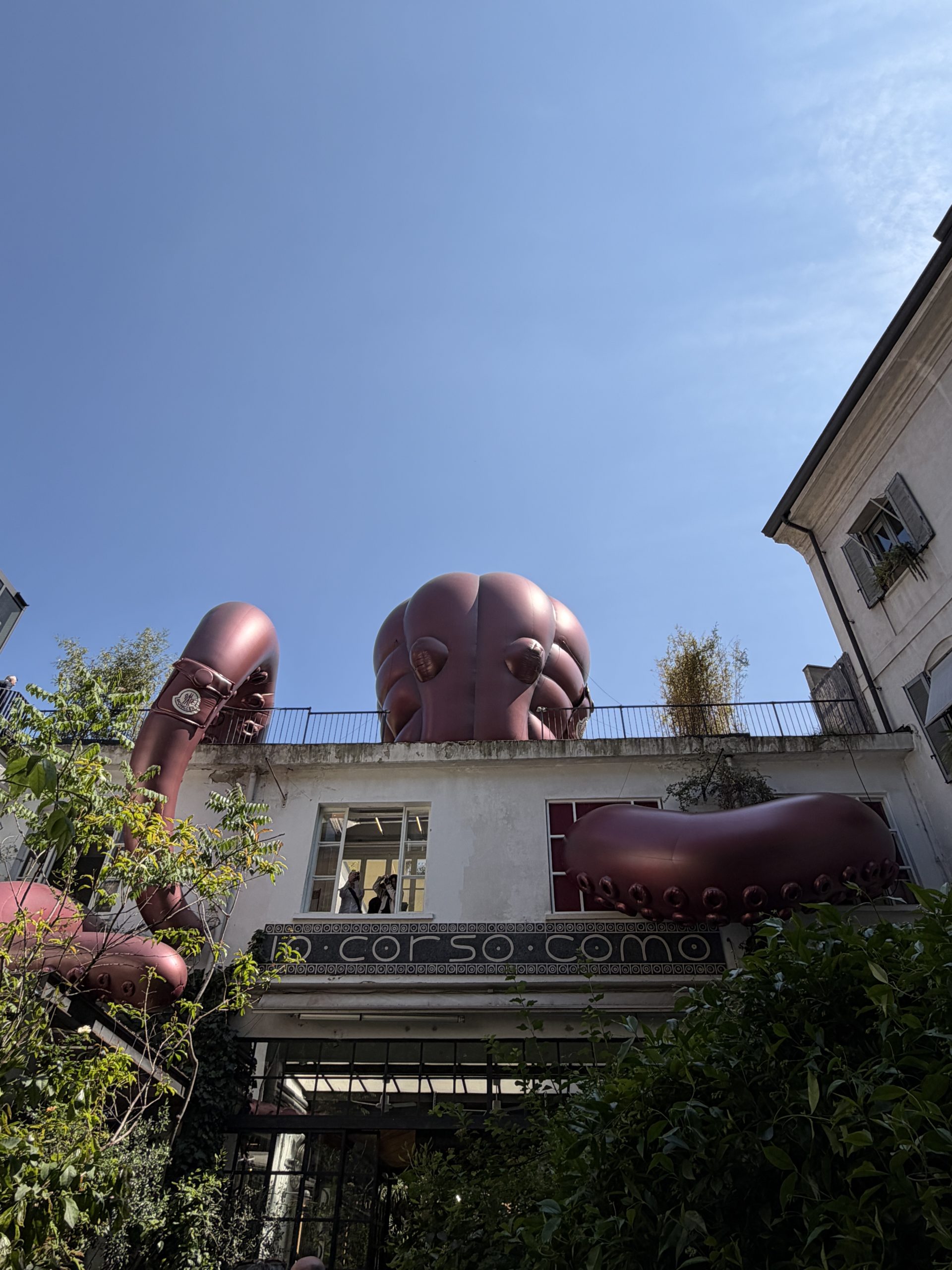
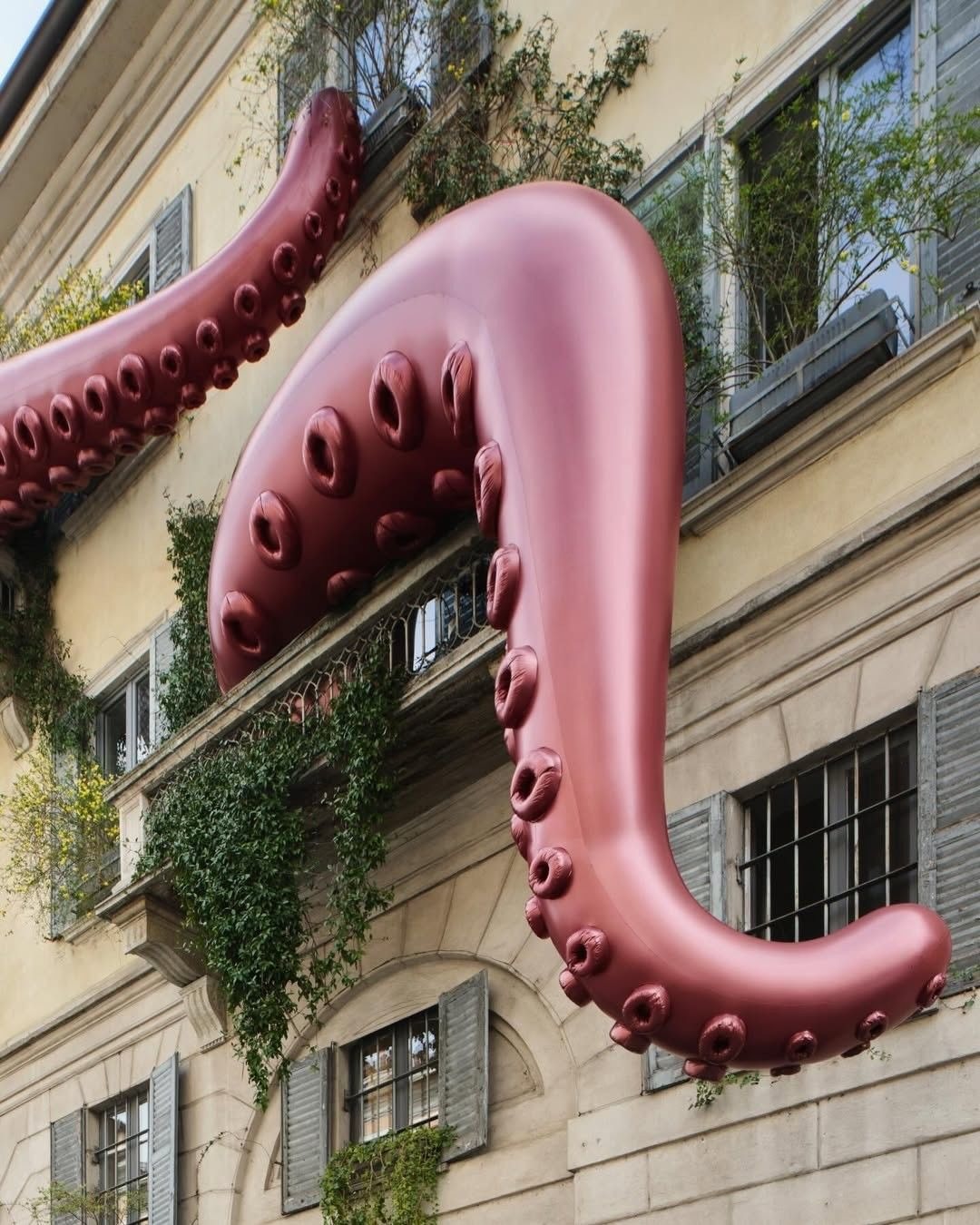
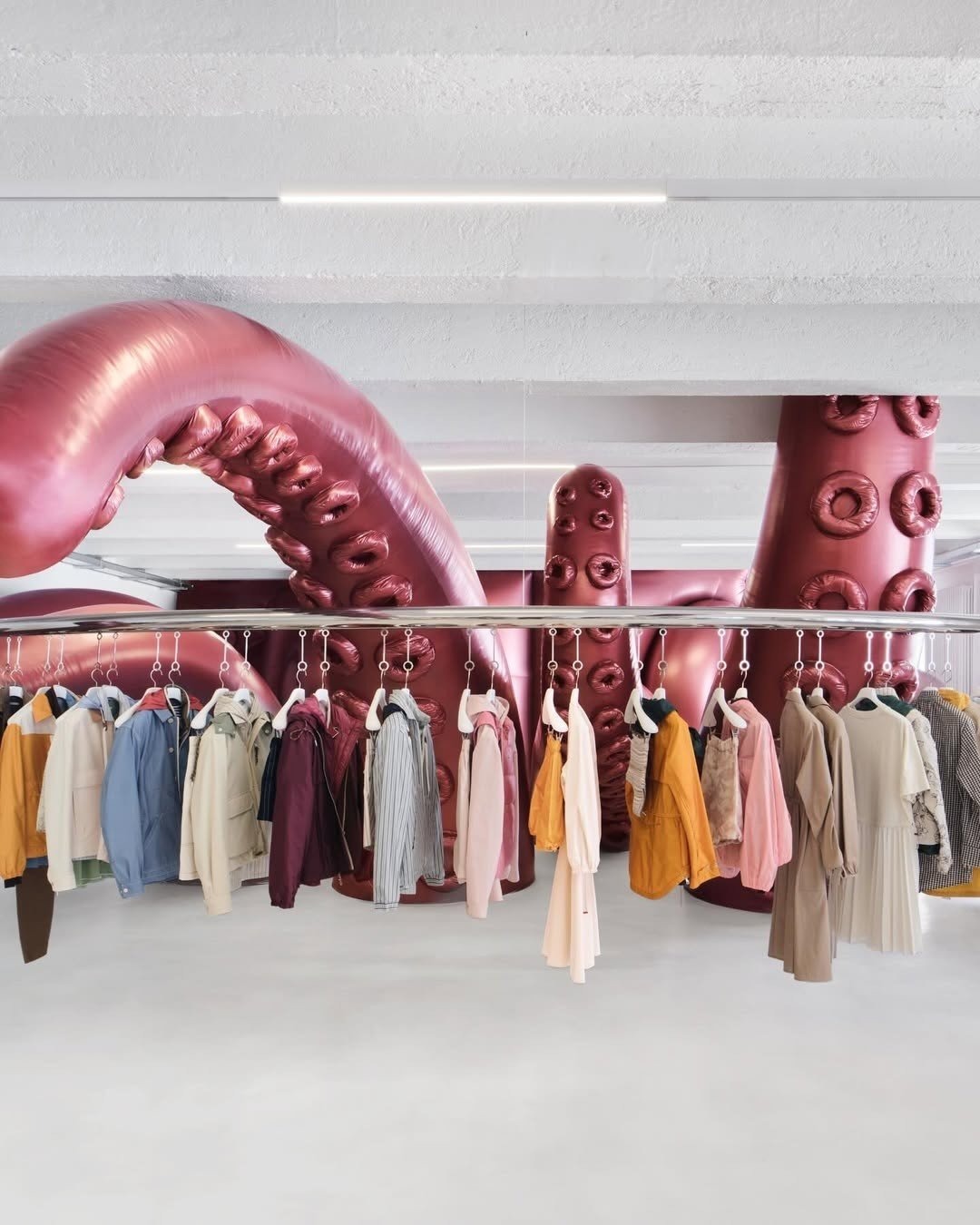
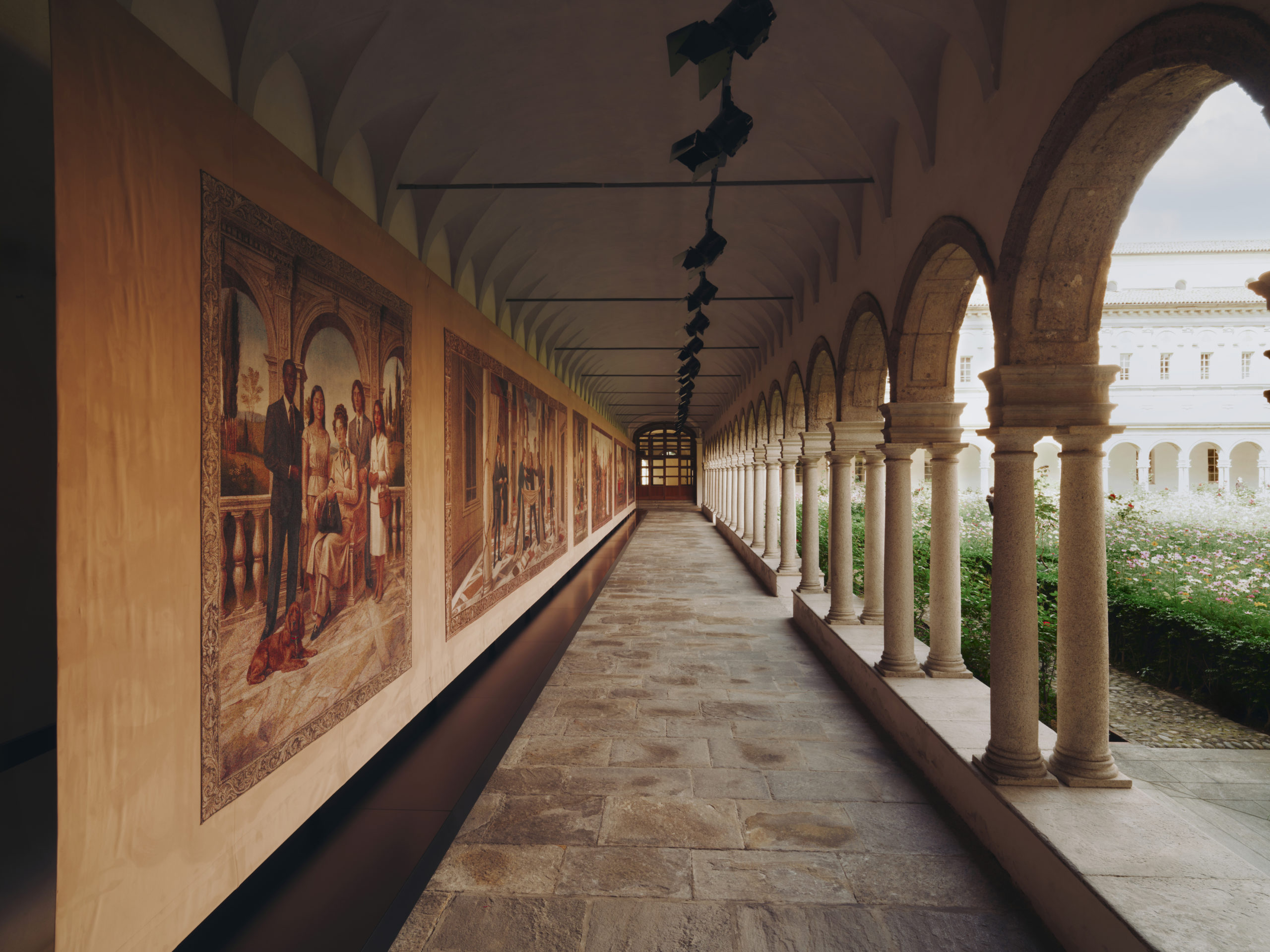
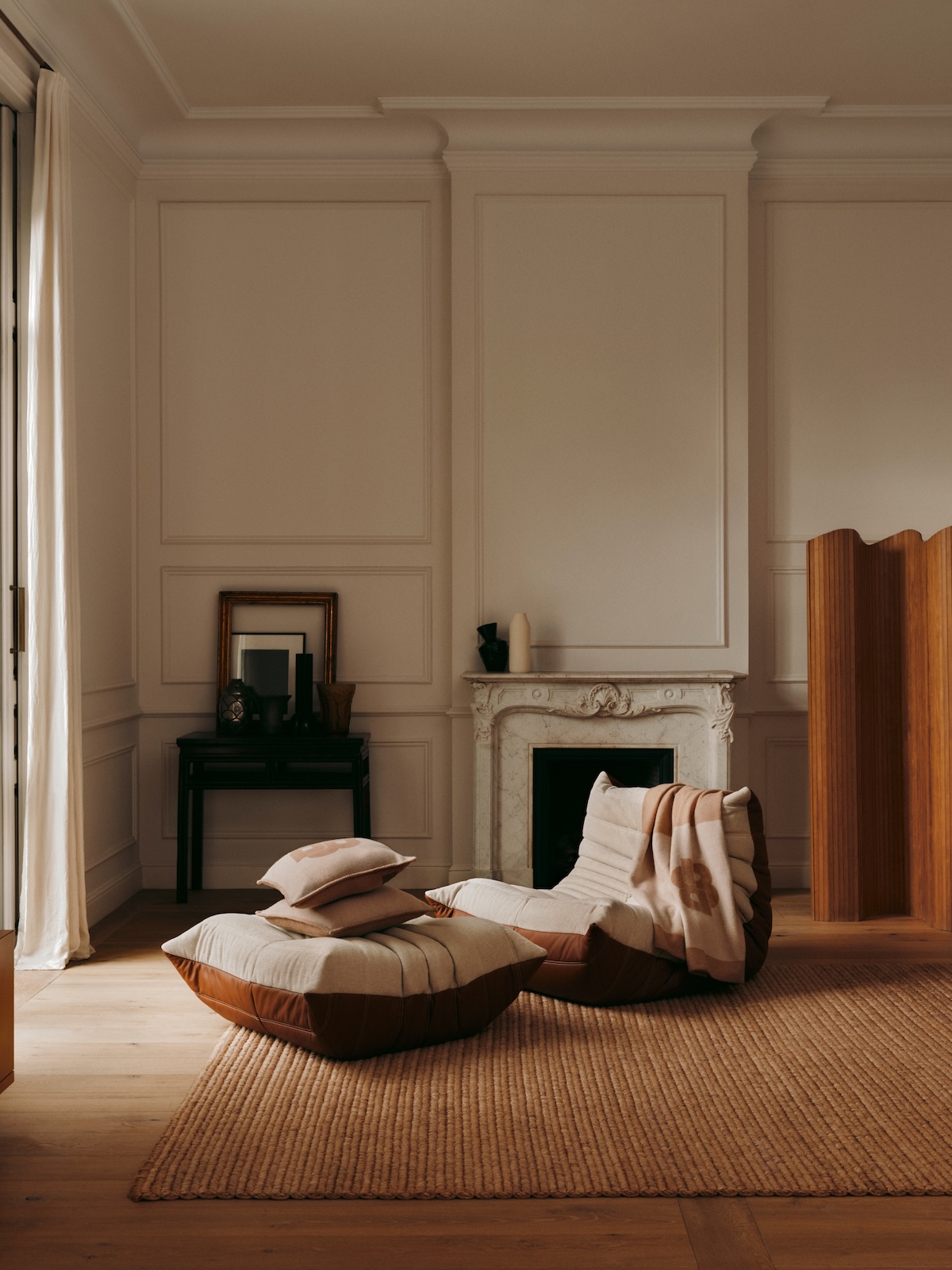
Fashion houses continued their takeover of the design world. Moncler’s giant inflatable octopus wrapped itself across the iconic concept store, 10 Corso Como, with surreal brilliance, while Louis Vuitton’s Objets Nomades, Hermès Home, and Prada Frames each proved that the smartest luxury brands understand design extends far beyond fashion alone. Hugo Boss translated its tailoring language into Ligne Roset’s famed Togo, bringing the precision and softness of suiting to contemporary living, while the Gucci Memoria exhibition, curated by Demna at the Chiostri di San Simpliciano, reinterpreted the house’s history through theatrical installations, tapestries, and interactive displays.
What stayed with me most this year was the overwhelming sense that people are craving substance, craft and originality again. Beautiful things designed and made by humans with both intention and meaning. And that was a truly wonderful thing it was to see.
Stay tuned for more Milan updates.